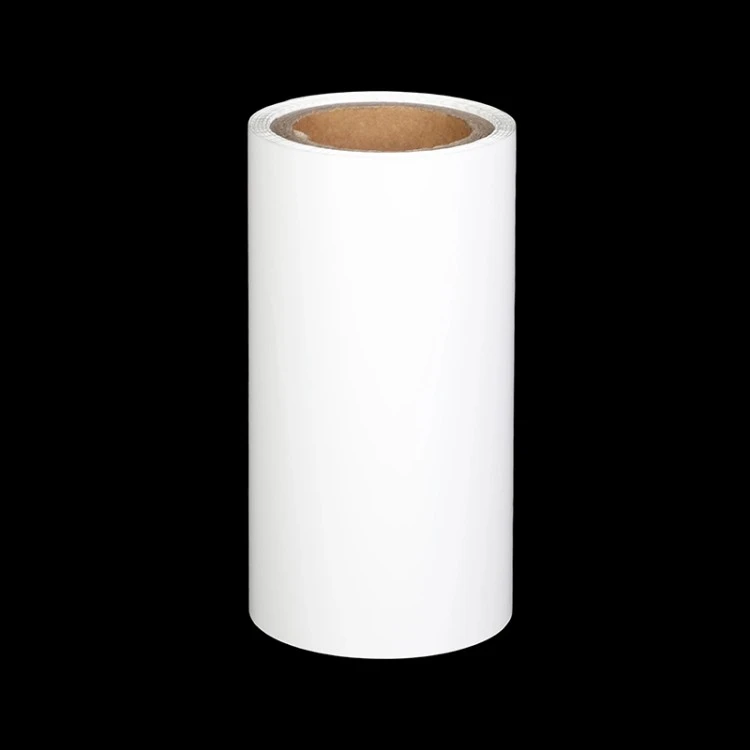
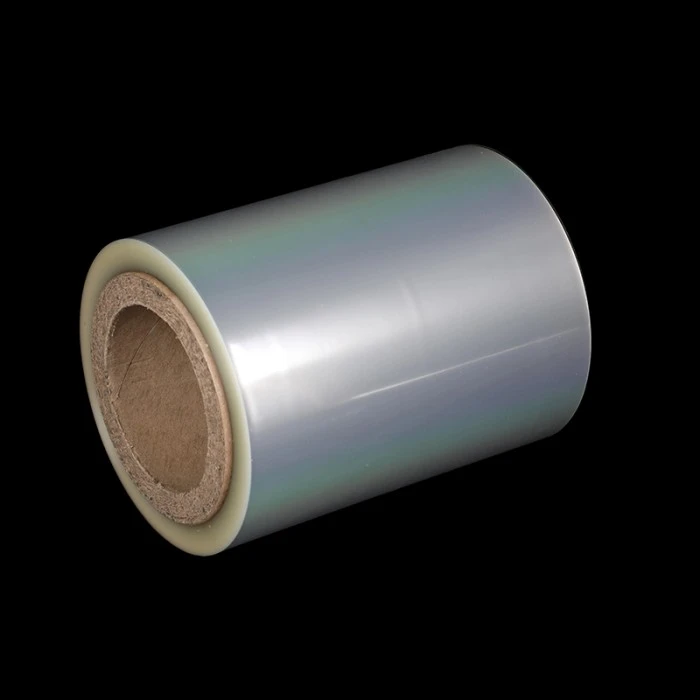
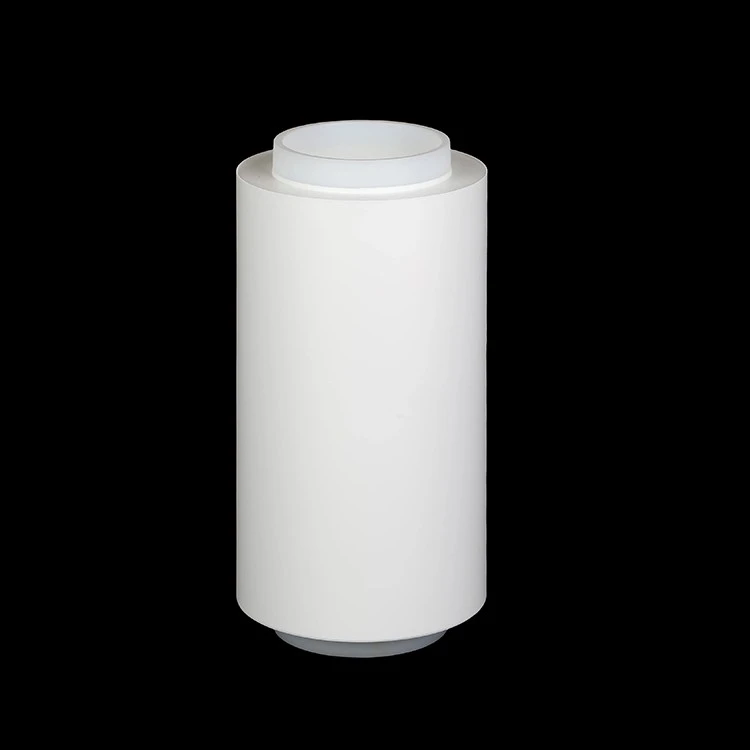
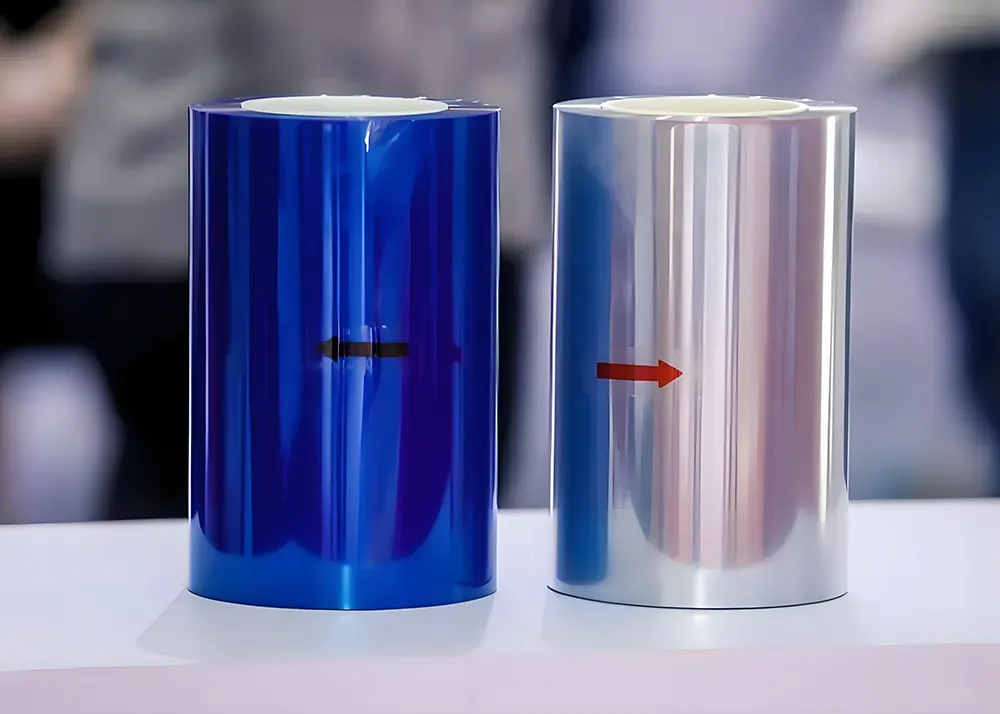
How Does BOPET Release Film Improve Release Performance in Industrial Applications?
Article Summary BOPET Release Film is an important functional material for applications where controlled release, surface protection, dimensional stability, and clean peeling are critical. By combining a biaxially oriented polyester substrate with a controlled release coating, this film can help manufacturers reduce adhesive transfer, improve processing consistency, protect sensitive surfaces, and maintain stable performance during demanding production conditions. This article explains how BOPET Release Film works, what properties matter during material selection, where it is commonly used, and how manufacturers can choose a suitable specification for different production requirements.
Table of Contents
- 1. What Is BOPET Release Film?
- 2. How Does BOPET Release Film Work?
- 3. Which Properties Matter Most?
- 4. How Does Release Force Affect Production?
- 5. Where Is BOPET Release Film Used?
- 6. How Can You Choose the Right BOPET Release Film?
- 7. What Production Problems Can BOPET Release Film Solve?
- 8. Why Consider Jincheng for BOPET Release Film?
- 9. BOPET Release Film Specification Considerations
- 10. Frequently Asked Questions
- 11. Conclusion
Article Outline
- Understand the construction and function of BOPET Release Film.
- Examine the relationship between release force, coating weight, and application requirements.
- Identify the most important film properties for industrial processing.
- Compare common application scenarios.
- Learn how to select film thickness and release characteristics.
- Understand common production problems and practical solutions.
- Evaluate how Jincheng can support customized and bulk BOPET Release Film requirements.
1. What Is BOPET Release Film?
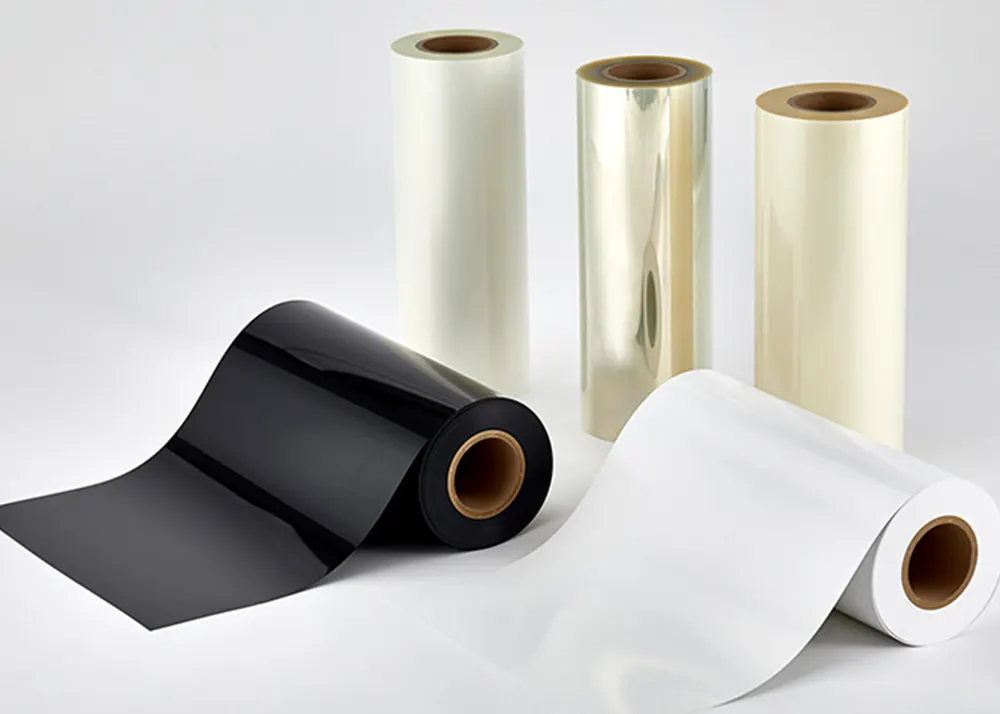
BOPET Release Film is a functional polyester film designed to provide a controlled, low-adhesion surface between materials during manufacturing, storage, lamination, coating, converting, and temporary protection processes. BOPET stands for biaxially oriented polyethylene terephthalate, a polyester film substrate known for its strength, dimensional stability, transparency, and resistance to elevated processing temperatures.
The release function is normally created by applying a carefully controlled release coating to the polyester substrate. The coating allows another material, such as an adhesive, resin, coating compound, or pressure-sensitive layer, to separate from the film in a predictable manner.
This distinction is important. A release film is not simply a thin plastic sheet. Its performance depends on the interaction between the polyester substrate, release coating, surface characteristics, coating uniformity, thickness, and the material that will eventually be peeled away.
For manufacturers, the objective is usually straightforward: achieve reliable release without damaging the product or leaving unwanted residue behind.
Key Point: The best BOPET Release Film is not necessarily the film with the lowest release force. The correct choice is the film whose release characteristics match the adhesive, coating, processing temperature, equipment, and final product requirements.
2. How Does BOPET Release Film Work?
The operating principle is based on controlled surface interaction. When an adhesive or another tacky material contacts a conventional surface, it may bond strongly and become difficult to remove. A release-treated BOPET surface reduces this interaction, allowing the material to separate with a controlled peeling force.
The polyester substrate provides mechanical support, while the release coating creates the functional interface.
During processing, several factors influence the final release behavior:
- Release coating formulation: Different coating systems can provide different release characteristics.
- Coating weight: The amount and uniformity of coating can influence surface behavior.
- Peel force: The required force should match the production process rather than simply being minimized.
- Film thickness: Thickness affects stiffness, handling, dimensional stability, and converting performance.
- Temperature: Elevated temperatures can change the behavior of both the release coating and the material being processed.
- Surface treatment: Corona treatment and surface energy can influence coating adhesion and subsequent processing.
When these factors are properly balanced, BOPET Release Film can provide smooth separation and consistent processing across repeated production cycles.
3. Which Properties Matter Most?
When purchasing release film for industrial production, focusing on thickness alone can lead to poor results. Several technical characteristics should be evaluated together.
Surface Release Performance
Release performance determines how easily the processed material separates from the film. A release level that is too high can make peeling difficult, while an excessively low release force may cause handling or processing problems in some applications.
Dimensional Stability
BOPET is valued for its ability to maintain dimensional consistency under mechanical and thermal stress. This characteristic is particularly useful when the film passes through coating, laminating, slitting, or other converting equipment.
Temperature Resistance
Some industrial processes expose release films to elevated temperatures. A suitable BOPET Release Film should maintain its functional characteristics under the actual operating conditions. Jincheng's product information indicates temperature resistance in the range of approximately 150–160°C for applicable release-film specifications.
Transparency
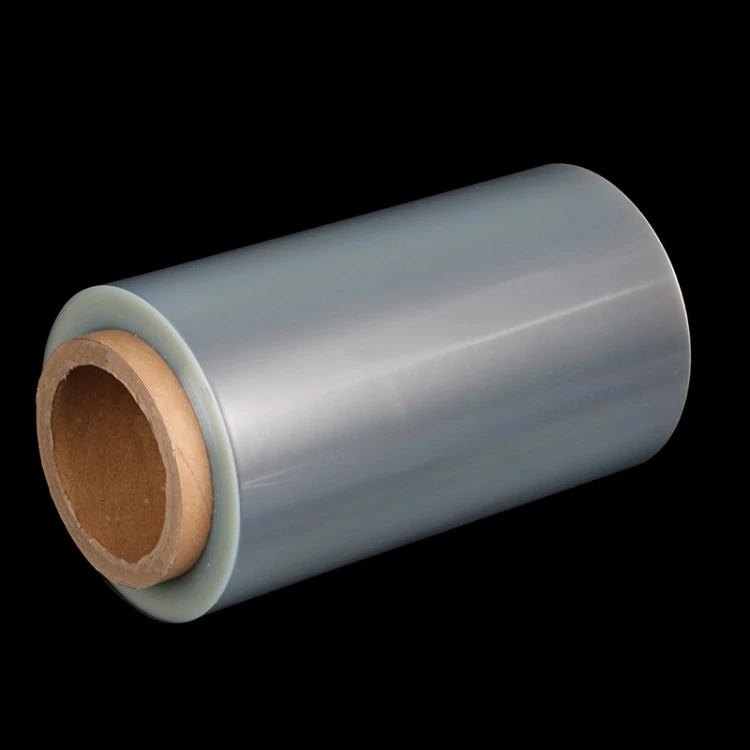
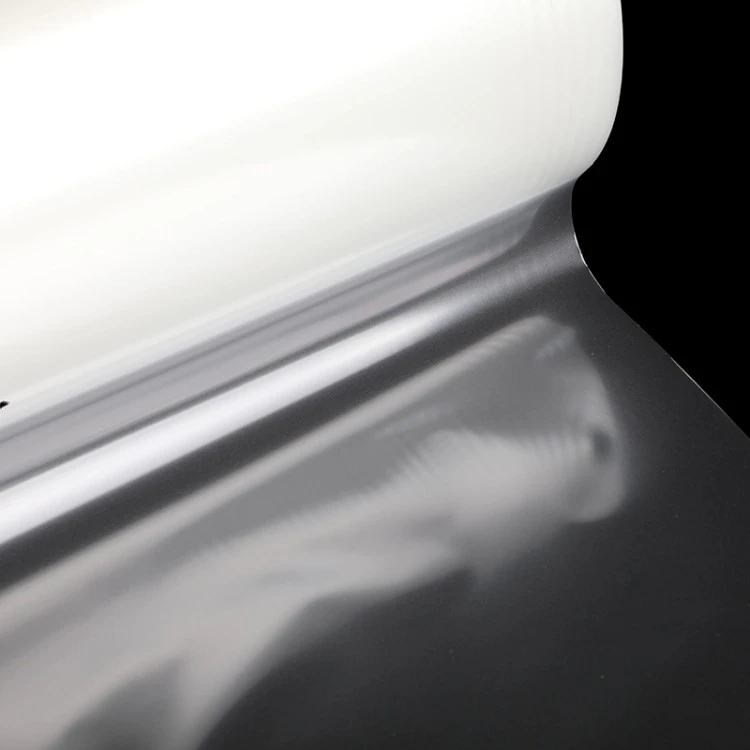
Transparent film can be useful when operators need to visually inspect the underlying material. High transparency can also support applications where the appearance of the protected or laminated surface is important.
Surface Uniformity
A consistent release surface is essential for stable production. Uneven coating can result in variations in peel force, adhesive transfer, coating defects, or inconsistent product quality.
Mechanical Strength
The film must withstand web tension, winding, unwinding, slitting, and handling without excessive stretching or tearing. The required strength depends on film thickness and the production equipment being used.
4. How Does Release Force Affect Production?
Release force is one of the most important parameters when selecting BOPET Release Film. It describes the force required to separate the material from the release surface under specified test conditions.
In practical manufacturing, release force should be considered together with adhesive viscosity, adhesive chemistry, coating speed, curing conditions, storage time, temperature, and the required peeling method.
| Release Characteristic | Typical Consideration | Potential Production Concern |
|---|---|---|
| Light release | Easy separation for suitable low-adhesion applications | May require careful handling depending on application |
| Medium release | Balanced separation and handling performance | Must be matched to adhesive characteristics |
| Heavy release | Higher peel resistance for applications requiring stronger release control | Can increase peeling force if incorrectly matched |
Jincheng provides release-film options involving light, medium, and heavy silicone release levels, with peel-force and tensile requirements available for customization. This flexibility is useful because industrial customers often work with different adhesive systems and machine configurations.
5. Where Is BOPET Release Film Used?
The versatility of BOPET makes release film suitable for many applications where a temporary isolation or protective layer is required.
Adhesive Tape Manufacturing
Release film can function as a carrier and protective layer during the production and handling of adhesive tapes. It helps prevent premature bonding while allowing the adhesive layer to be exposed when required.
Protective Film Production
During the manufacture of protective films, a controlled-release substrate can separate cleanly from the adhesive layer without unnecessarily disturbing the final product.
Electronic Materials
Electronic components and materials may require temporary surface protection during manufacturing and transportation. A clean release interface can reduce the risk of contamination and unwanted adhesion.
Labels
Release substrates are commonly associated with label production because the adhesive needs to remain protected until the label is applied to its target surface.
Industrial Coating and Lamination
Release film can be used as an isolation layer in processes involving coatings, adhesives, laminates, and other materials that must later be separated from a temporary carrier.
- Adhesive tapes
- Protective films
- Labels
- Electronic materials
- Industrial isolation layers
- Coating and laminating processes
- Temporary surface protection
6. How Can You Choose the Right BOPET Release Film?
Choosing the right film begins with the production process rather than the supplier's catalog. Before placing an order, manufacturers should define how the film will be used and what the finished process must achieve.
- Identify the material contacting the release surface. Determine whether it is an adhesive, resin, coating, label stock, electronic material, or another compound.
- Determine the required release level. Establish whether light, medium, or heavy release characteristics are appropriate.
- Check operating temperature. Include heating, curing, drying, and storage conditions in the evaluation.
- Select an appropriate thickness. Thin films can be advantageous for material efficiency, while thicker films can provide greater stiffness and handling support.
- Review mechanical requirements. Consider web tension, winding speed, slitting, and downstream converting.
- Evaluate surface treatment. If coating or laminating is involved, surface energy and treatment consistency can become important.
- Request samples. Production trials are valuable because the same release film can behave differently with different adhesive systems.
For reference, Jincheng lists BOPET Release Film thickness options ranging from approximately 12 μm to 250 μm. The appropriate thickness should be selected according to the application rather than simply choosing the thickest or thinnest available option.
7. What Production Problems Can BOPET Release Film Solve?
Many manufacturing problems associated with adhesive and coating processes originate from an unsuitable interface between the product and temporary carrier. Properly specified release film can address several of these challenges.
| Common Problem | Possible Cause | Release Film Consideration |
|---|---|---|
| Difficult peeling | Release level does not match the adhesive | Evaluate a different release specification |
| Adhesive transfer | Poor release compatibility or coating inconsistency | Check release coating and process conditions |
| Wrinkling | Thermal or mechanical instability | Consider dimensional stability and thickness |
| Surface contamination | Coating defects or transfer during processing | Verify coating uniformity and handling controls |
| Film breakage | Insufficient mechanical strength for the process | Review thickness and tensile requirements |
Importantly, release film is only one part of the overall process. Machine tension, coating speed, curing conditions, adhesive formulation, storage temperature, and winding quality can all influence the final result.
8. Why Consider Jincheng for BOPET Release Film?
Jincheng is a BOPET film manufacturer and supplier serving industrial customers that require customized polyester film solutions. Its BOPET Release Film product range is designed around controlled release, stable processing, surface protection, and application-specific requirements.
According to the company's product information, Jincheng offers transparent BOPET Release Film with multiple thickness choices, including 12 μm, 15 μm, 23 μm, 25 μm, 30 μm, 36 μm, 38 μm, 40 μm, 50 μm, 70 μm, 75 μm, 90 μm, 100 μm, 120 μm, 150 μm, 175 μm, 188 μm, and 250 μm. The company also identifies light, medium, and heavy silicone release options and allows release-force and tensile requirements to be customized.
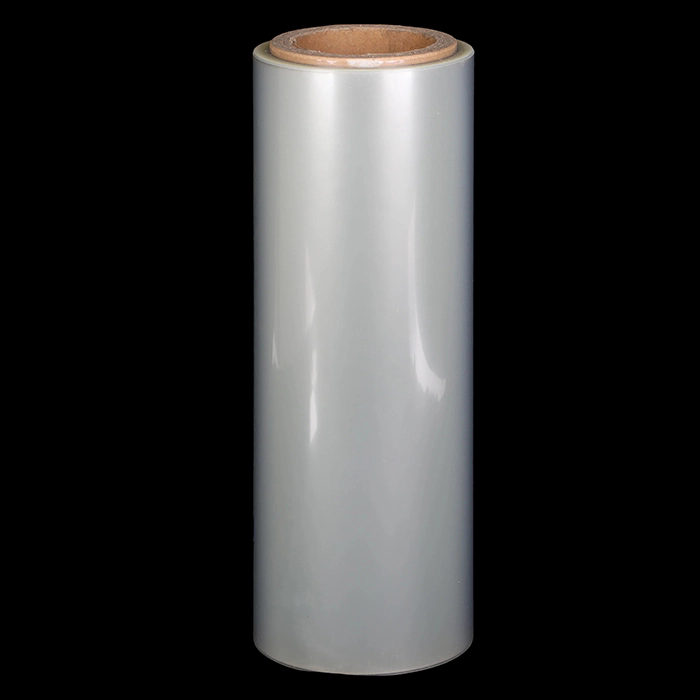
The company's published information also specifies a transparent product appearance and describes dimensional stability, high transparency, and temperature resistance up to approximately 150–160°C for the applicable product process.
For buyers, customization can be particularly valuable when standard release film specifications do not perfectly match the production line. Rather than changing the manufacturing process around an unsuitable film, the film specification can be evaluated against the actual adhesive, temperature, tension, thickness, and release requirements.
Jincheng Advantage: Application-specific thickness, release characteristics, tensile requirements, and processing considerations can be discussed before bulk production, helping customers select a film that fits the intended manufacturing process.
9. BOPET Release Film Specification Considerations
| Specification | Why It Matters | Selection Question |
|---|---|---|
| Thickness | Influences stiffness, handling, strength, and material consumption | What thickness works reliably on the production line? |
| Release force | Controls peeling behavior | How easily must the material separate? |
| Temperature resistance | Helps maintain performance during heated processes | What is the maximum process temperature? |
| Transparency | Supports visual inspection and appearance-sensitive applications | Does the operator need to see through the film? |
| Corona treatment | Can affect surface adhesion and coating compatibility | Which side requires treatment and for what process? |
| Tensile performance | Supports stable web handling | What tension and machine speed will be used? |
10. Frequently Asked Questions
What does BOPET stand for?
BOPET stands for biaxially oriented polyethylene terephthalate. The polyester substrate is stretched in two directions during manufacturing to improve mechanical and dimensional properties.
What is the main function of BOPET Release Film?
Its main function is to provide a controlled-release surface that allows adhesive, coating, resin, or other materials to separate cleanly from a temporary carrier or protective layer.
Can BOPET Release Film be used with adhesive tapes?
Yes. Adhesive tape manufacturing is one of the important applications for release film. The correct release level should be selected according to the adhesive formulation and required peeling behavior.
Is BOPET Release Film suitable for high-temperature processing?
Some BOPET Release Film specifications are designed for elevated-temperature processes. Jincheng describes applicable products as having temperature resistance up to approximately 150–160°C. Actual suitability should be confirmed against the complete processing cycle, including exposure time and pressure.
What thicknesses are available?
Available thickness depends on the product specification. Jincheng lists options from approximately 12 μm to 250 μm for its BOPET Release Film range.
Can release force be customized?
Yes. Release performance can be selected according to the application. Jincheng identifies light, medium, and heavy silicone options and states that peeling-force requirements can be customized.
Why is surface uniformity important?
Uneven release characteristics can produce inconsistent peeling, adhesive transfer, coating defects, or variations across the film width. A uniform surface helps support more predictable processing.
How should BOPET Release Film be selected for a new application?
Start with the adhesive or coating material, required peel behavior, process temperature, film thickness, web tension, machine speed, and final product requirements. Trial samples should then be tested under actual production conditions before large-scale purchasing.
11. Conclusion
BOPET Release Film plays a critical role wherever manufacturers need controlled separation, temporary protection, stable processing, and reliable surface performance. Its value comes from more than the polyester substrate itself. The interaction between the BOPET base film, release coating, surface treatment, thickness, mechanical properties, temperature conditions, and contacting material determines whether the film performs effectively in a real production environment.
For manufacturers experiencing adhesive transfer, difficult peeling, film wrinkling, inconsistent release, or surface protection problems, selecting the correct film specification can significantly improve process stability. The most effective approach is to evaluate release force, thickness, temperature resistance, dimensional stability, tensile performance, and surface characteristics as one complete system.
Jincheng provides BOPET Release Film solutions for adhesive tapes, protective films, electronic materials, labels, isolation layers, and other industrial applications. With multiple thickness options and configurable release characteristics, Jincheng can support customers looking for a film matched to their specific processing requirements.
Looking for the Right BOPET Release Film?
If you need help selecting film thickness, release level, temperature resistance, surface treatment, or customized specifications for your production process, Jincheng can discuss your application requirements and recommend a suitable solution.
Contact us today to discuss your BOPET Release Film requirements and explore a customized film solution for your application.
Related News
- Application of polyester film
- How to eliminate static electricity of pet film?
- What is bopet membrane for?
- How Matte Surface Performance Supports Modern Packaging and Printing
- Why Is BOPET Metallized Film For PET Food Packaging Becoming a Smarter Choice for Modern Food Protection
- How Does BOPET Milk White Film Improve Packaging, Printing, and Industrial Applications?
Leave me a message