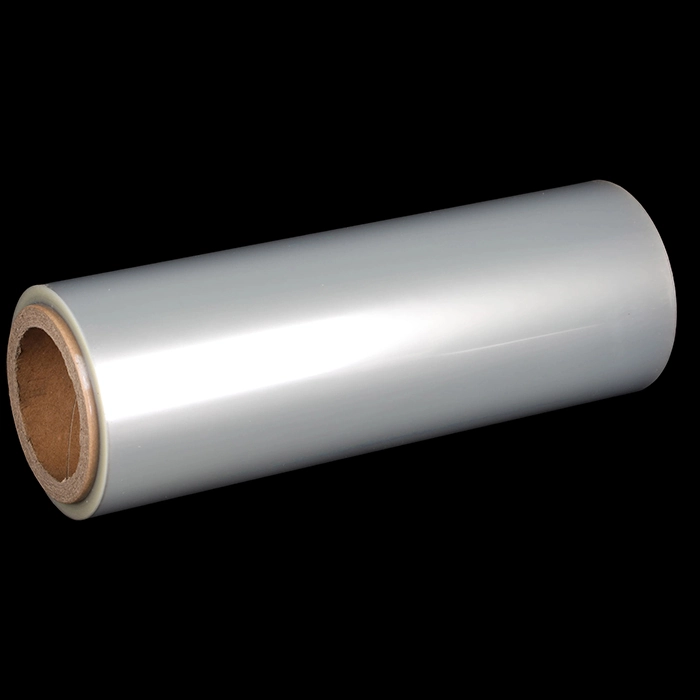
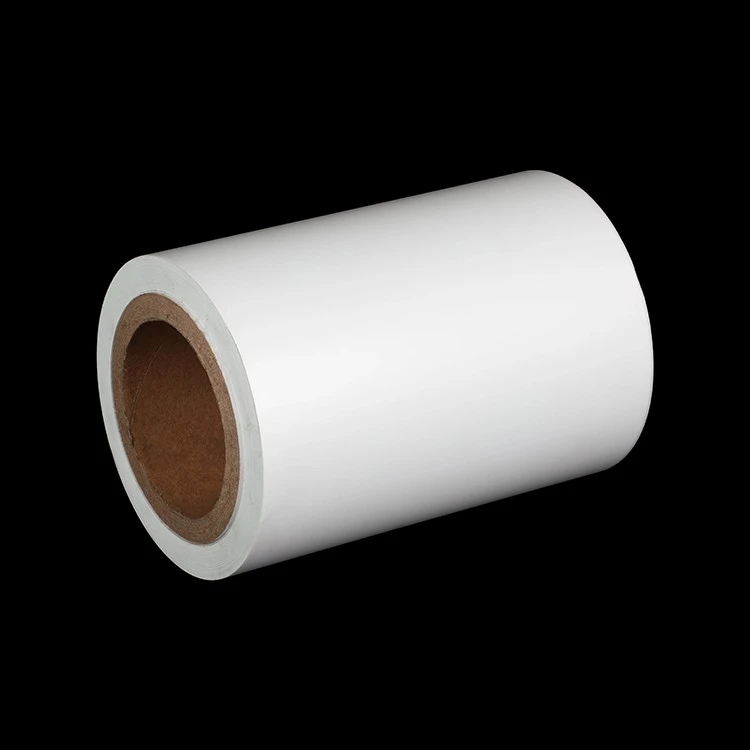
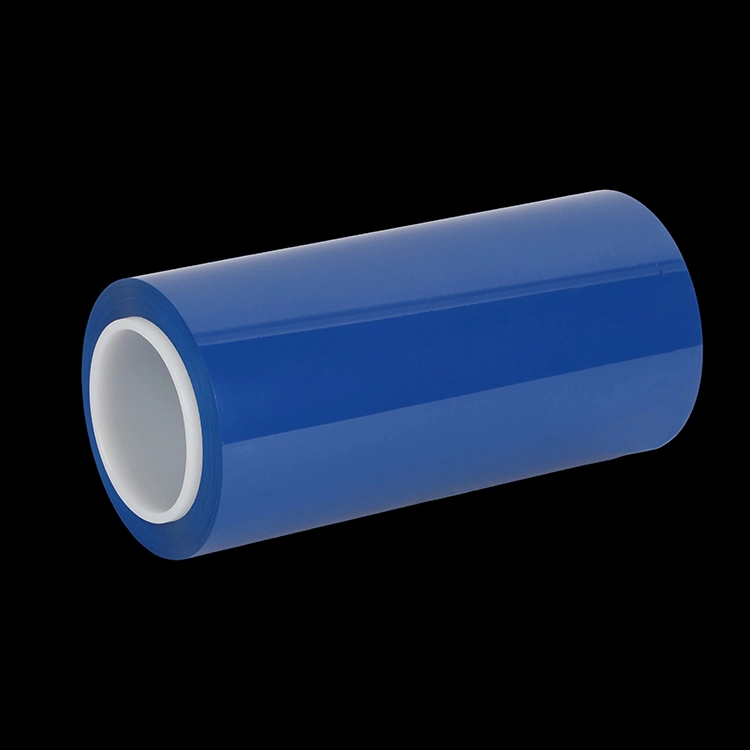
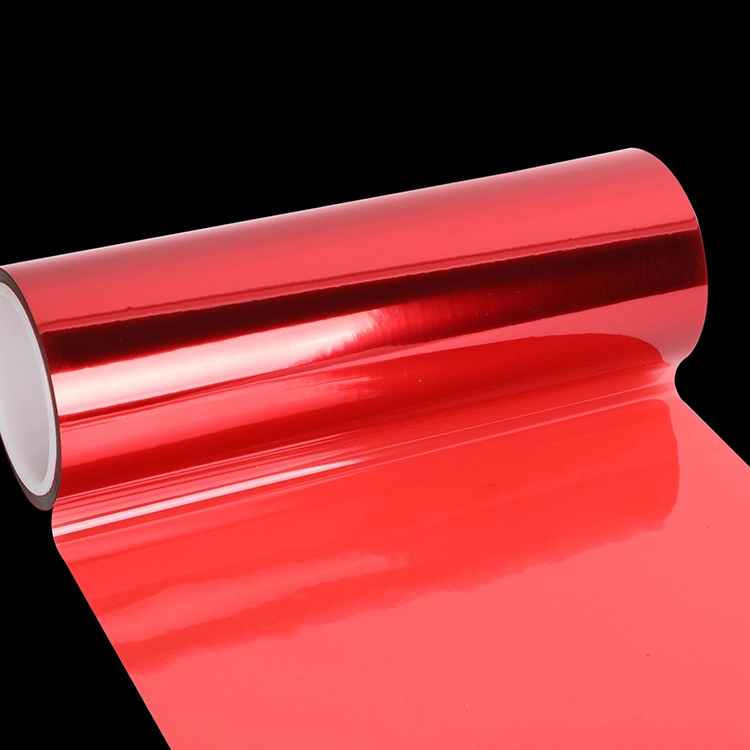
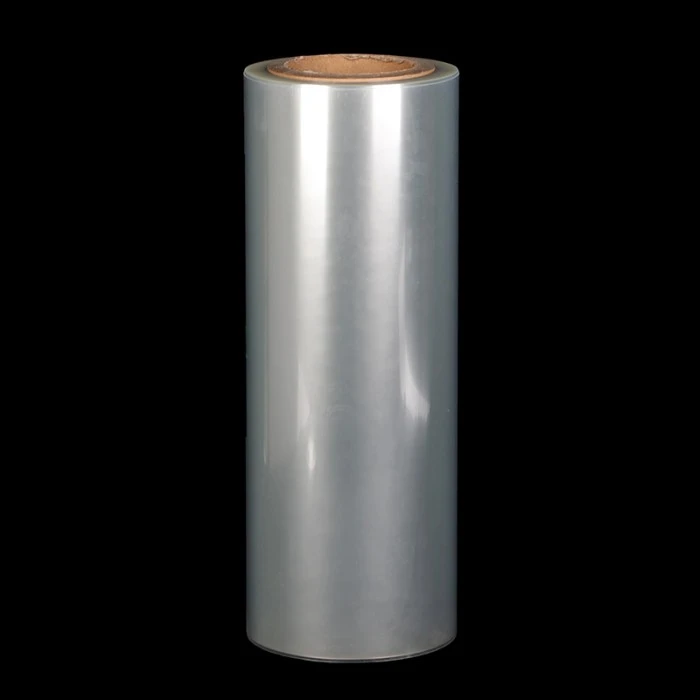
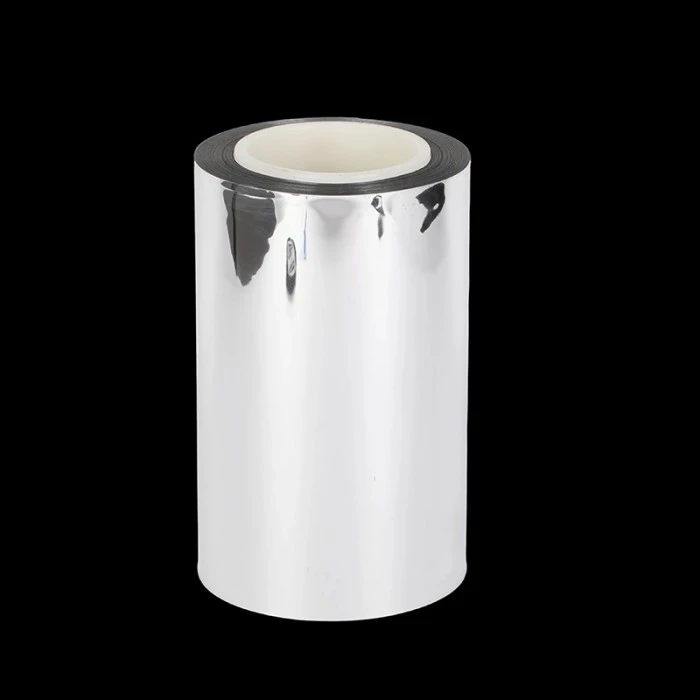
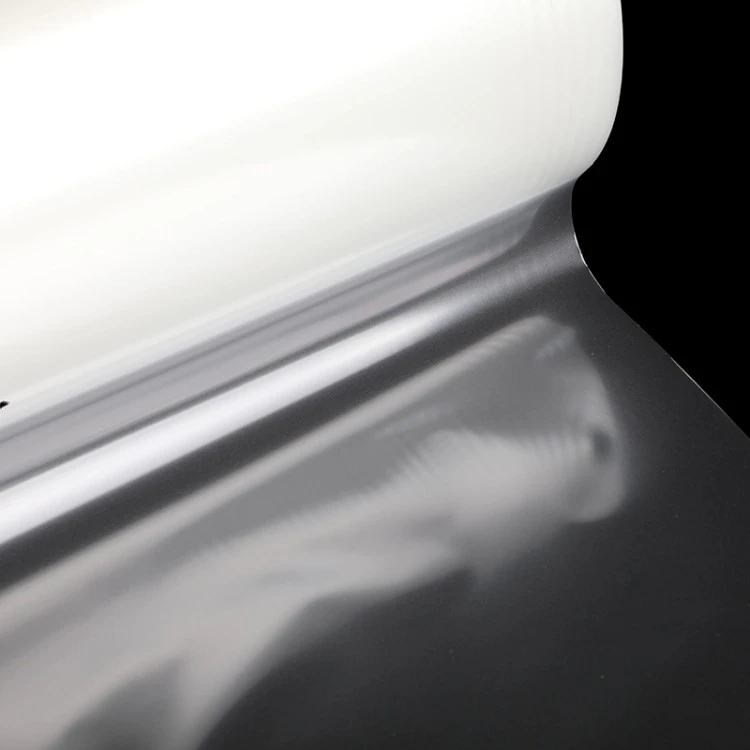
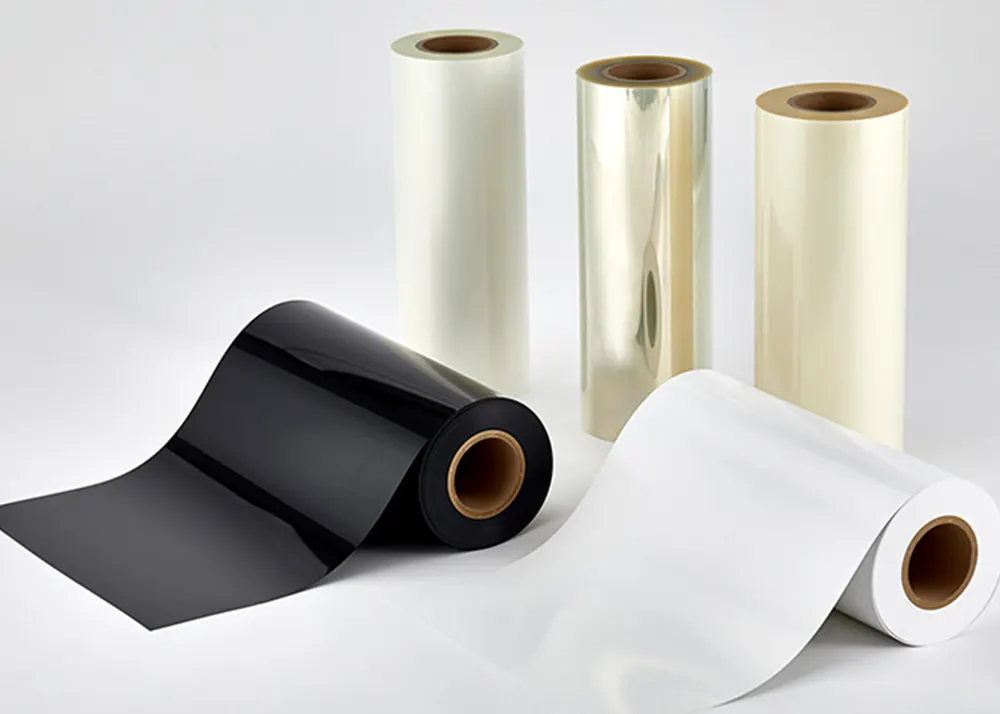
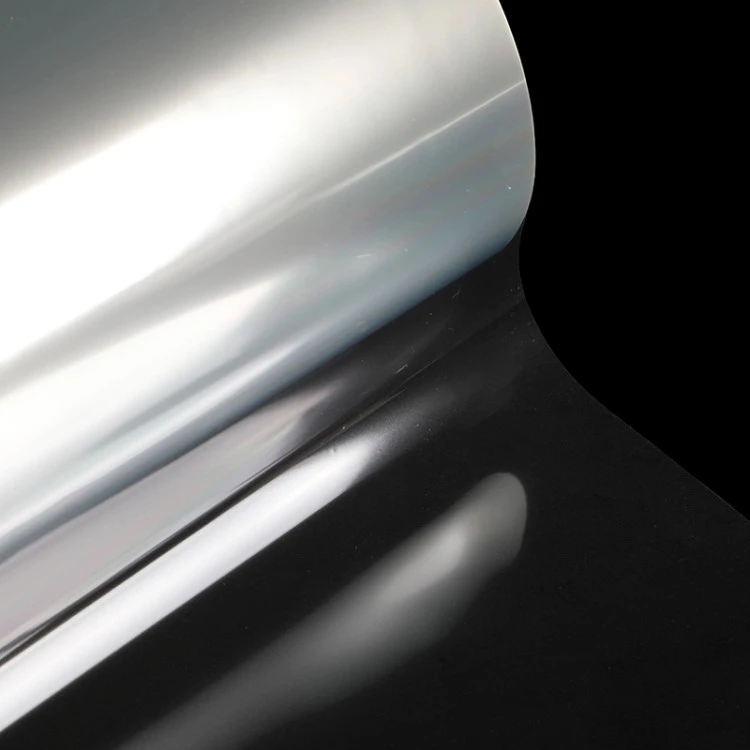
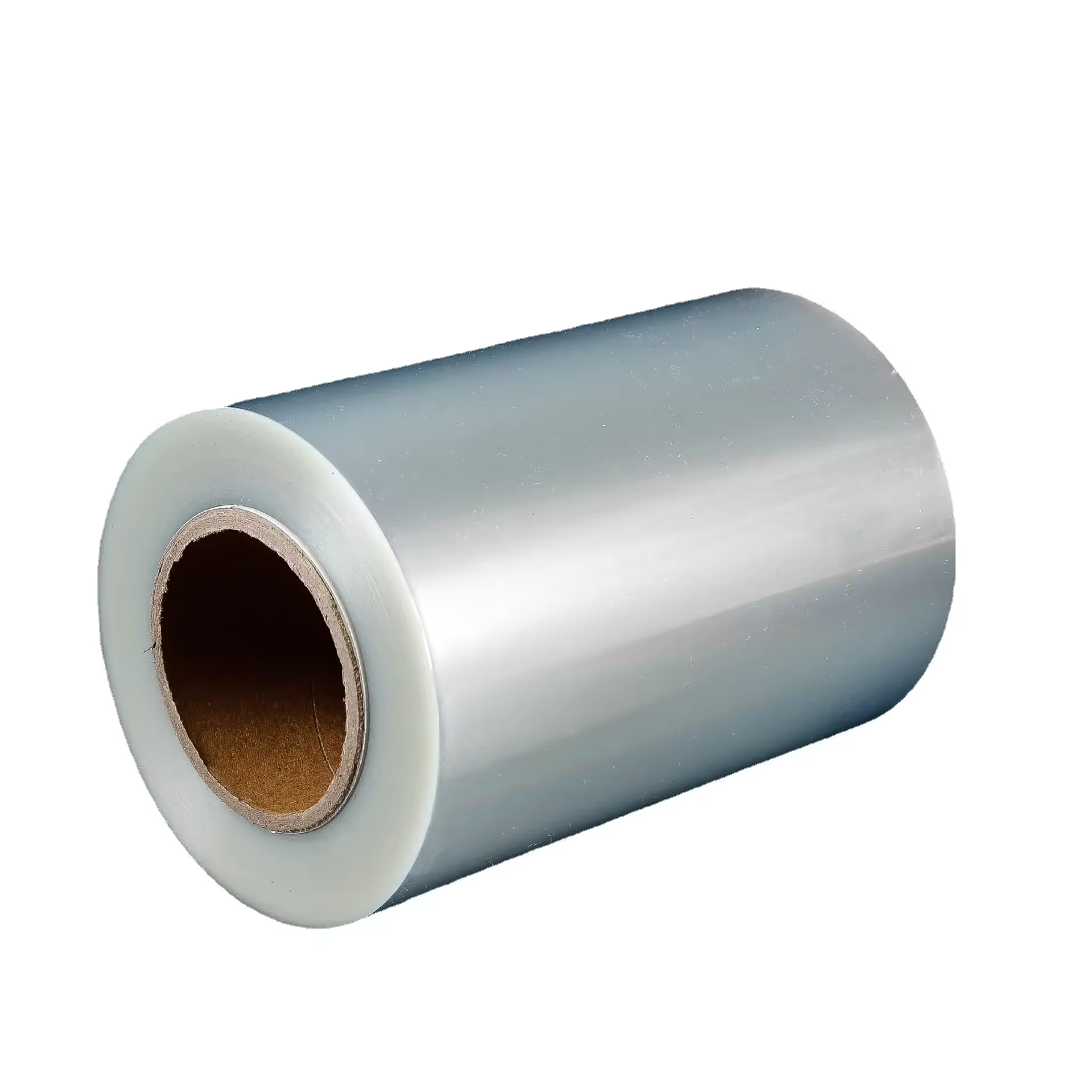
BOPET Metallized Film For PET food packaging is becoming an increasingly important material for brands seeking stronger barrier protection, reliable converting performance, and premium package appearance. As an experienced film manufacturer, Jincheng develops metallized BOPET solutions using vacuum evaporation technology to combine a high-quality polyester substrate with a dense aluminum coating for demanding food packaging applications.
For modern food manufacturers, packaging is expected to do more than simply contain a product. It must help protect food from oxygen and moisture, withstand printing and lamination processes, maintain visual consistency, and support efficient high-volume production. Metallized BOPET film addresses these requirements by combining the mechanical properties of biaxially oriented polyester with the barrier and reflective characteristics of a metallic coating.
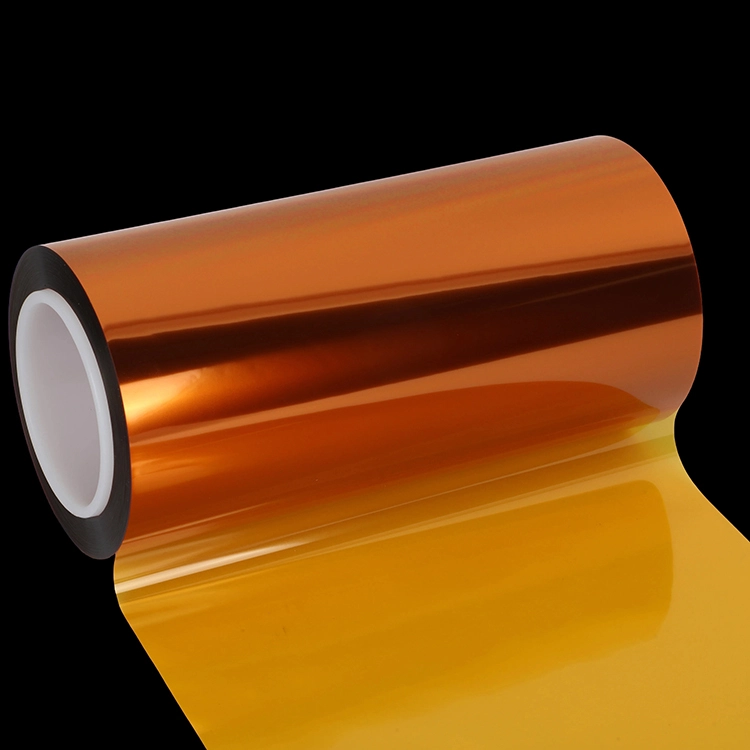
Jincheng's product is manufactured using high-precision vacuum evaporation technology, creating a uniform aluminum layer on a biaxially oriented polyester film substrate. The product supports both inner and outer metallizing processes and can be supplied in standard silver as well as customized gold and colored metallic finishes.
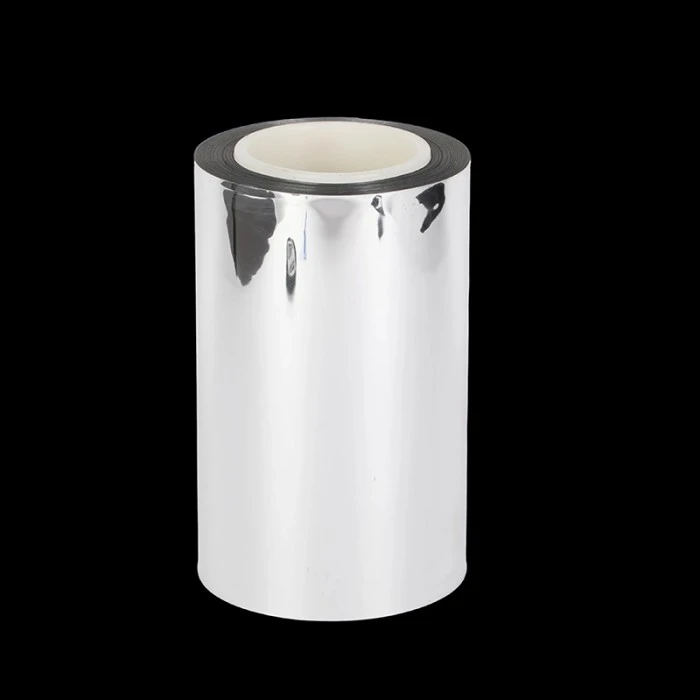
Table of Contents
- What Is BOPET Metallized Film For PET Food Packaging?
- Why Does Barrier Performance Matter in PET Food Packaging?
- What Are the Key Performance Advantages?
- What Technical Specifications Should Buyers Consider?
- How Is Metallized BOPET Film Manufactured?
- Where Can the Film Be Used?
- How Does Quality Testing Improve Packaging Reliability?
- How Should Buyers Select a BOPET Metallized Film Supplier?
- FAQ About BOPET Metallized Film For PET Food Packaging
- Conclusion
What Is BOPET Metallized Film For PET Food Packaging?
BOPET stands for biaxially oriented polyethylene terephthalate. It is a polyester film known for its strength, dimensional stability, transparency, and suitability for printing and converting. When a thin aluminum coating is deposited onto BOPET through vacuum metallization, the resulting film combines the characteristics of the polyester substrate with enhanced light-reflective and barrier properties.
BOPET Metallized Film For PET food packaging is particularly valuable in flexible packaging structures where protection and appearance are both important. The metallized layer can help reduce the transmission of oxygen and water vapor, while its reflective metallic surface can create a premium visual effect.
Jincheng's product uses a high-precision vacuum evaporation coating process to form a dense and uniform aluminum layer on high-purity BOPET film. The manufacturing system supports both inner metallizing and outer metallizing, allowing the film structure to be matched with different printing and lamination requirements.
Why Does Barrier Performance Matter in PET Food Packaging?
Food products can be sensitive to oxygen, moisture, light, and environmental conditions. If a packaging structure allows excessive transmission of these factors, the product may experience quality degradation during storage and transportation.
Metallized BOPET can therefore serve as an important functional layer within a multilayer flexible packaging structure. Its aluminum coating helps create a more effective barrier against external environmental influences while the polyester substrate provides mechanical stability.
For food packaging manufacturers, the main benefits of a suitable metallized film can include:
- Improved oxygen and moisture barrier performance.
- Better protection against environmental exposure.
- Enhanced light-reflective properties.
- Improved visual appeal for premium food packaging.
- Compatibility with printing and lamination processes.
- Better dimensional stability during converting.
- Support for high-volume automated packaging production.
The actual barrier performance of a finished package depends on the complete packaging structure, sealing quality, storage conditions, product characteristics, and converting process. Therefore, film selection should always be evaluated as part of the complete packaging system rather than as an isolated material.
What Are the Key Performance Advantages?
1. Strong Barrier Protection
One of the most important reasons manufacturers choose metallized polyester is its barrier functionality. Jincheng's factory testing includes oxygen and water vapor permeability evaluation, with the metallized aluminum layer designed to remain dense and uniform across the film surface.
2. Stable Metallized Coating
Coating adhesion is critical during printing, laminating, slitting, and die-cutting. A poorly bonded metallic layer can result in coating loss, exposed substrate, production waste, and inconsistent package appearance. Jincheng reports friction, bending, peeling, printing, laminating, and die-cutting tests to evaluate coating integrity.
3. Reliable Corona Performance
Surface treatment influences how effectively inks, adhesives, and other materials bond to the film. Jincheng performs sampling tests across the beginning, middle, and end sections of rolls to monitor corona stability. This is particularly useful for converters that require predictable processing performance across large production batches.
4. Mechanical Strength and Flexibility
Food packaging films can experience tension, bending, stacking pressure, filling operations, and transportation stress. A BOPET substrate provides useful tensile strength and dimensional stability, helping the packaging structure maintain integrity during converting and logistics.
5. Consistent Metallic Appearance
Packaging appearance has a direct influence on brand presentation. Jincheng uses automated optical color difference detection to monitor metallic appearance and color consistency. Standard silver metallic finishes can also be complemented by customized gold or colored metallized effects.
What Technical Specifications Should Buyers Consider?
When sourcing BOPET Metallized Film For PET food packaging, buyers should evaluate more than film thickness. Substrate characteristics, coating process, corona treatment, appearance, roll quality, barrier performance, and converting compatibility can all influence final packaging performance.
| Specification | Jincheng Reference | Why It Matters |
|---|---|---|
| Film Type | BOPET Metallized Film | Provides a polyester substrate with a metallic functional layer |
| Thickness Range | 12μm–250μm | Allows selection according to packaging structure and processing requirements |
| Metallizing Process | Inner / Outer Metallizing | Supports different printing and lamination configurations |
| Standard Appearance | Silver Metallic | Creates a reflective, premium packaging appearance |
| Customized Appearance | Gold / Various Colors | Supports differentiated brand packaging designs |
| Surface Treatment | Corona Treated | Helps support printing and adhesive bonding performance |
| Main Barrier Functions | Oxygen / Moisture | Helps protect packaged products from environmental exposure |
According to the manufacturer's published product data, BOPET film thickness can range from 12μm to 250μm. Specific thickness selection should be based on the finished packaging structure, machinery requirements, sealing layer, mechanical requirements, and intended application.
How Is Metallized BOPET Film Manufactured?
Consistent metallized film starts with controlled substrate preparation and precise coating technology. In vacuum metallization, aluminum is vaporized inside a controlled vacuum environment and deposited onto the moving polyester film surface. Process control is important because coating uniformity directly influences barrier performance, appearance, and downstream converting quality.
The general production concept includes:
- BOPET substrate preparation: The polyester film is prepared for subsequent metallizing and converting.
- Vacuum metallization: Aluminum is deposited onto the film surface to create the metallic functional layer.
- Surface treatment: Appropriate corona treatment supports printing and lamination requirements.
- Quality inspection: Coating, appearance, mechanical properties, and surface characteristics are evaluated.
- Roll processing: Finished film is slit and packed according to customer requirements.
Jincheng states that its manufacturing operation has more than 20 years of physical manufacturing experience and is supported by an R&D center and a broad BOPET film product matrix. These capabilities are particularly relevant for buyers requiring stable repeat orders rather than one-time material purchases.
Where Can the Film Be Used?
The combination of barrier functionality, mechanical stability, and metallic appearance makes metallized BOPET suitable for a wide range of flexible packaging structures. The exact construction should be selected according to the food product, filling process, storage conditions, and required shelf-life performance.
- Snack packaging: Helps provide a protective barrier layer while creating a premium metallic appearance.
- Pet food packaging: Can be incorporated into multilayer structures requiring barrier and mechanical performance.
- Dried food packaging: Useful where moisture and oxygen exposure need to be controlled.
- Chocolate and confectionery packaging: Provides an attractive reflective finish while contributing to barrier protection.
- Flexible composite packaging: Can be laminated with other functional films to achieve a complete packaging structure.
- Premium branded food packaging: Supports metallic visual effects that can enhance shelf presence.
For PET food packaging projects, the film should be evaluated together with the complete laminate construction, adhesive system, sealing layer, printing process, and packaging machinery.
How Does Quality Testing Improve Packaging Reliability?
Quality testing is particularly important for metallized films because visual consistency alone cannot demonstrate whether the film will perform reliably during converting and distribution.
Jincheng's published product information identifies several factory testing areas:
| Test Area | Purpose | Packaging Value |
|---|---|---|
| Water Vapor & Oxygen Barrier Testing | Evaluates barrier characteristics | Supports food protection requirements |
| Adhesion & Wear Testing | Checks coating integrity | Reduces risk during printing and lamination |
| Corona Stability Testing | Monitors surface treatment consistency | Supports reliable converting performance |
| Mechanical Testing | Evaluates stretching, puncture resistance and bending | Supports transportation and handling durability |
| Color Difference Testing | Monitors appearance consistency | Helps maintain standardized brand presentation |
This multi-dimensional approach is valuable because food packaging film must perform consistently throughout the entire supply chain. A film that looks attractive on the production line but loses coating integrity during lamination or transportation can increase waste and compromise packaging quality.
How Should Buyers Select a BOPET Metallized Film Supplier?
Choosing the right supplier is as important as choosing the correct film specification. International buyers should assess whether a supplier can provide stable quality, technical support, customization, production capacity, and reliable communication.
Before placing a bulk order, consider the following checklist:
- Does the manufacturer have dedicated BOPET production experience?
- Can the supplier provide different film thicknesses?
- Are inner and outer metallizing options available?
- Can metallic colors or appearance be customized?
- Does the supplier conduct barrier and coating adhesion testing?
- Is corona treatment controlled consistently across production rolls?
- Can the manufacturer support large-volume repeat orders?
- Does the supplier provide technical assistance for printing and lamination?
- Are quality documentation and traceability available?
Jincheng positions itself as a China-based BOPET metallized film manufacturer and supplier, with more than 20 years of manufacturing experience, dedicated R&D support, a broad film product range, and standardized service throughout the customer production cycle.
Buyers interested in broader film options can also explore the BOPET Metallized Film product range to compare different applications and specifications.
FAQ About BOPET Metallized Film For PET Food Packaging
1. What is BOPET Metallized Film For PET food packaging?
It is a biaxially oriented polyester film coated with a thin aluminum layer through vacuum metallization. It combines the mechanical and dimensional properties of BOPET with metallic appearance and enhanced barrier functionality for flexible packaging applications.
2. What thicknesses are available for BOPET film?
Jincheng's published product information lists a BOPET film thickness range of 12μm to 250μm. The appropriate thickness depends on the packaging structure, converting process, mechanical requirements, and final application.
3. Can the metallized film be customized in different colors?
Yes. Silver is the standard metallic appearance, while customized gold and various colored metallic coatings can be supplied according to packaging design requirements.
4. Is metallized BOPET suitable for printing and lamination?
Yes. Properly controlled surface treatment and coating adhesion are important for printing and lamination. Jincheng's product information specifically highlights corona stability and coating integrity testing to support downstream processing.
5. What should buyers confirm before ordering?
Buyers should confirm film thickness, metallizing side, surface treatment, roll dimensions, appearance requirements, barrier expectations, printing process, lamination structure, packaging machinery, order quantity, and applicable food-contact requirements for the intended market.
Conclusion
BOPET Metallized Film For PET food packaging offers a practical combination of barrier functionality, mechanical stability, converting compatibility, and premium metallic appearance. For food packaging manufacturers, the value of the material lies not only in its reflective surface but also in the consistency of its aluminum coating, corona treatment, mechanical properties, and performance throughout printing, lamination, packaging, storage, and transportation.
With more than 20 years of manufacturing experience, dedicated R&D support, customized metallizing options, and a comprehensive BOPET product portfolio, Jincheng provides film solutions for customers seeking dependable packaging materials. If you are sourcing metallized polyester film for a new food packaging project, bulk production, or customized packaging structure, contact us to discuss your film thickness, metallizing process, surface treatment, appearance, and application requirements with the Jincheng team.