How Matte Surface Performance Supports Modern Packaging and Printing
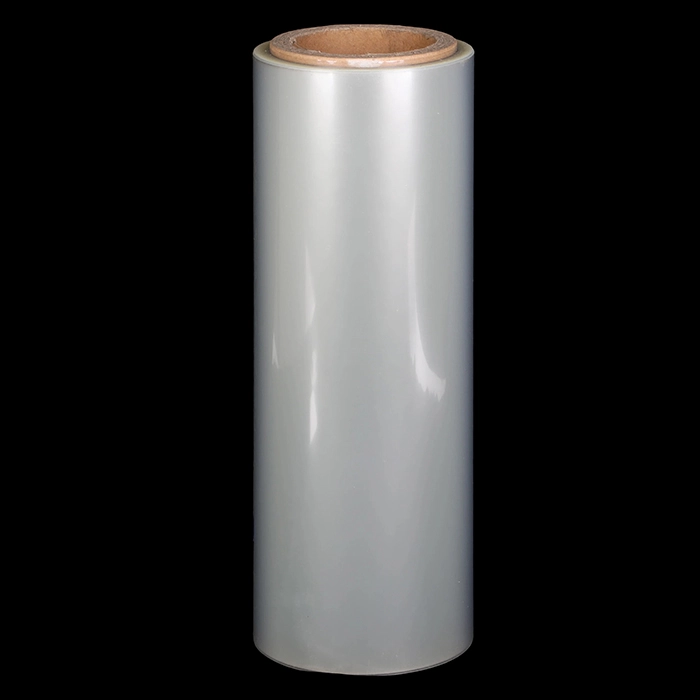
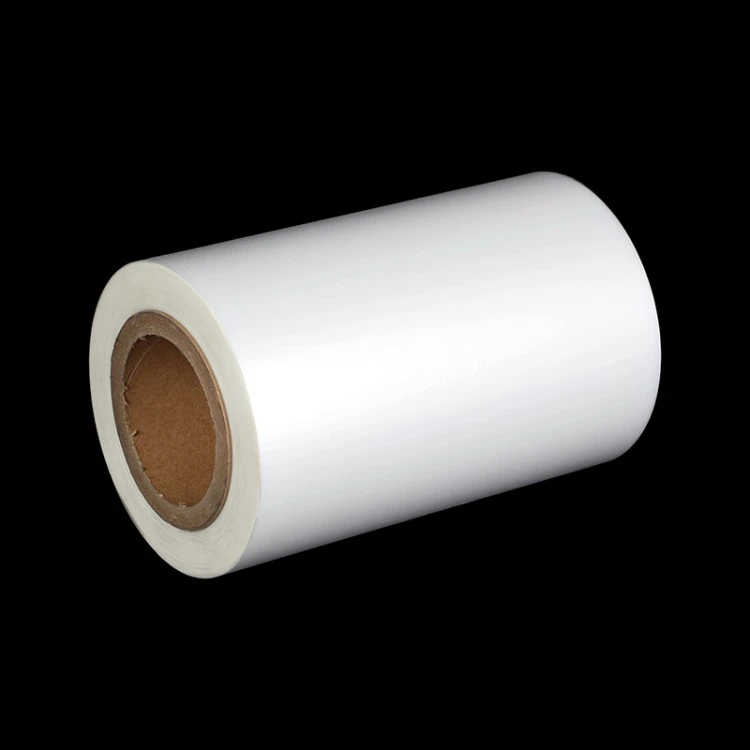
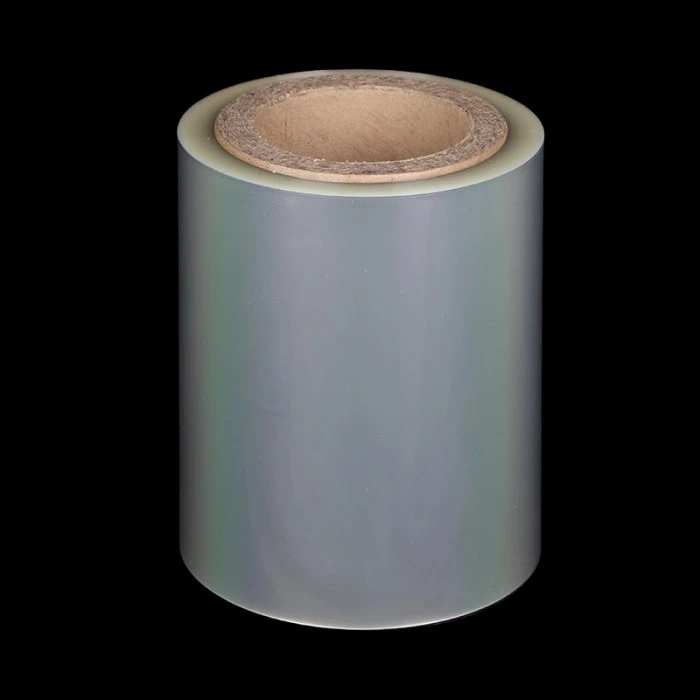
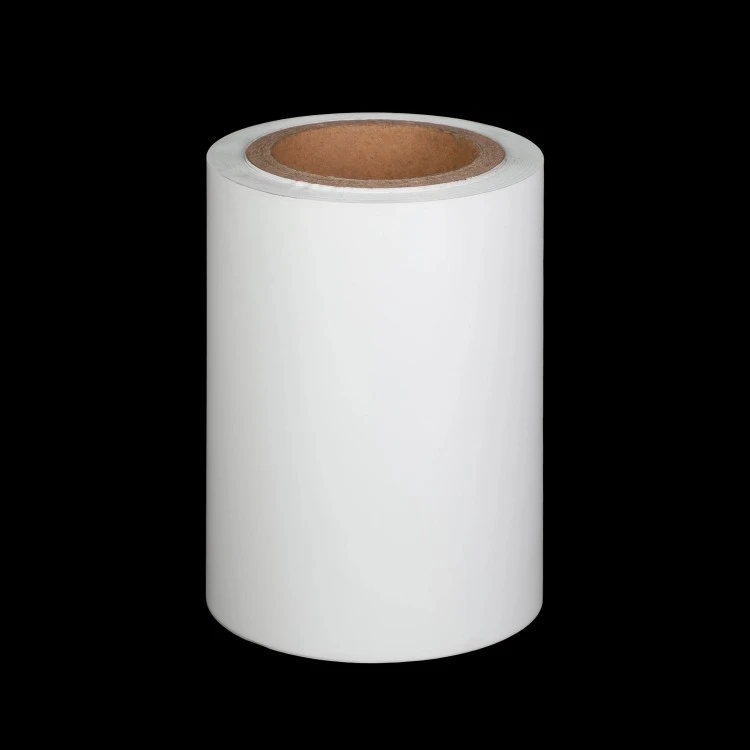
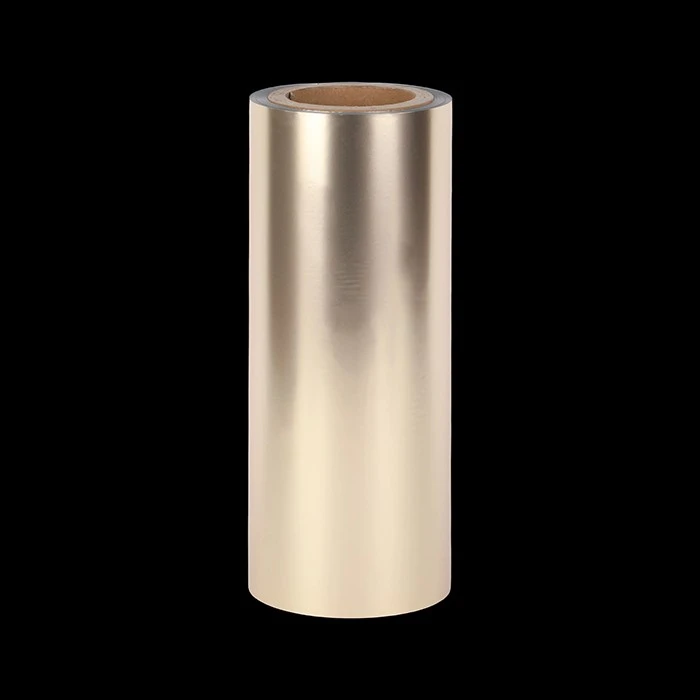
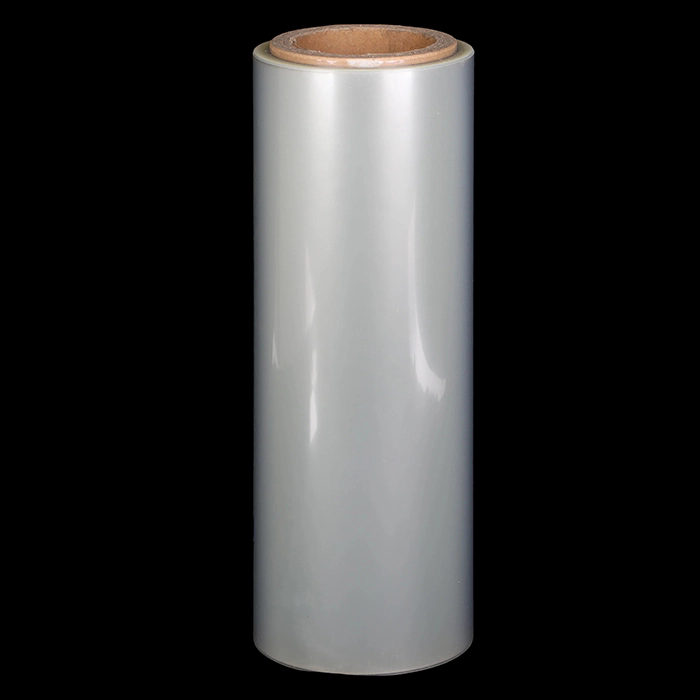
As packaging and printed materials continue to place greater emphasis on surface appearance, readability and functional performance, matte polyester film has become an important material option for applications that require a controlled, low-reflective finish. BOPET Matte Film combines the dimensional stability and mechanical strength of biaxially oriented polyester film with a matte surface designed to reduce visual glare and create a softer appearance.
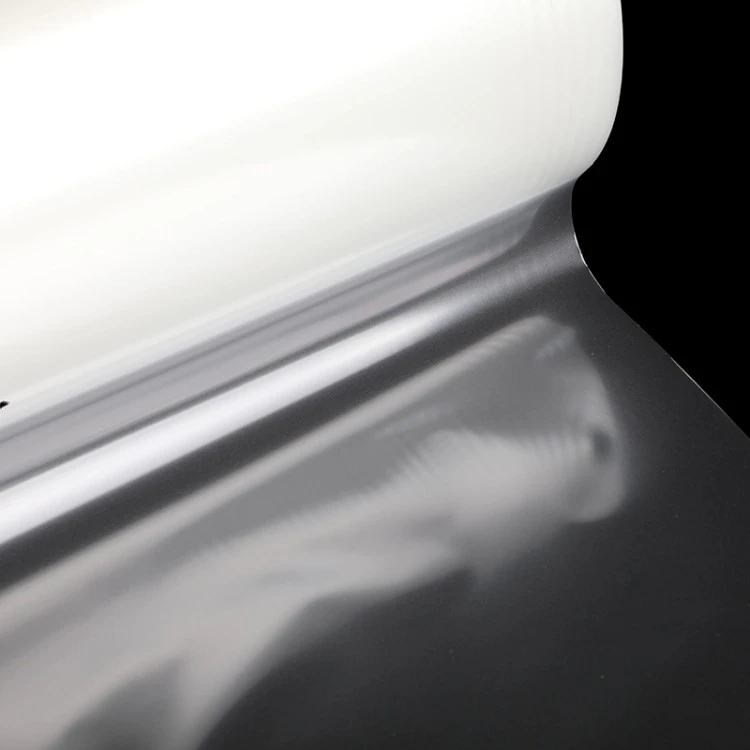
Unlike conventional glossy polyester film, which produces a strong reflective surface under direct lighting, matte film diffuses reflected light across the surface. This characteristic can be useful for packaging graphics, labels, printed materials and decorative products where excessive reflection may affect visual presentation.
What Is BOPET Matte Film?
BOPET stands for biaxially oriented polyethylene terephthalate. During manufacturing, PET film is stretched in both the machine direction and transverse direction to improve its mechanical and dimensional characteristics. A matte surface is then incorporated into the film structure to provide a controlled non-glossy appearance.
The resulting material combines the familiar characteristics of polyester film with a surface finish that is visually different from standard transparent or glossy PET film. Depending on the grade and construction, the film can be selected for applications requiring different levels of opacity, light transmission, surface gloss and downstream process compatibility.

Why Is a Matte Surface Important?
Surface appearance is not simply a visual consideration. In many packaging and printing applications, the way a film reflects light can affect how graphics, text and product information are perceived.
A matte surface scatters reflected light instead of producing the strong direct reflection commonly associated with glossy materials. This can help reduce distracting glare when printed graphics or text are viewed under strong lighting.
For premium packaging, the lower-gloss appearance can also create a more restrained surface effect. Instead of relying on a highly reflective finish, manufacturers can use texture and controlled gloss to create a different visual impression while maintaining the functional characteristics of polyester film.
Applications Where Matte Polyester Film Can Add Value
Packaging
Packaging is one of the most common areas where matte polyester film can be considered. The surface can provide a softer visual appearance for selected food, cosmetic, personal care, gift and specialty packaging structures.
For packaging converters, the choice of film should be based on the complete laminate structure rather than surface appearance alone. Thickness, optical properties, printing method, adhesive system and heat or sealing requirements may all affect the final material selection.
Labels and Printed Materials
Matte film can also be used as a substrate for selected labels, stickers and printed materials. Its lower-reflective surface may help printed text and graphics remain visually clear under different lighting conditions.
For high-quality printing, surface treatment is particularly important. Ink adhesion, coating compatibility and the selected printing process should be evaluated together with the film specification before mass production.
Decorative and Graphic Applications
The controlled surface appearance of matte polyester film makes it suitable for certain decorative films, graphic materials and specialty printed products. Designers can use different combinations of color, transparency and surface gloss to create a specific visual effect.
Electronic and Functional Materials
Certain matte polyester films can also be considered for electronic panels, membrane-related components and other applications where reduced reflection is desirable. In these cases, optical performance, thickness, surface treatment and dimensional stability become more important than appearance alone.
Key Factors When Selecting BOPET Matte Film
Not all matte films are intended for the same processing conditions. Selecting the appropriate grade requires consideration of the final application and the processes that the material will undergo.
Surface Gloss
Gloss level determines how strongly the surface reflects incident light. A lower gloss value generally produces a more pronounced matte appearance, while a higher value provides a subtler surface effect. The required level depends on the visual design and application.
Film Thickness
Thickness affects handling, stiffness, converting behavior and the overall structure of the finished product. Thin films may be preferred for lightweight packaging or specific laminating structures, while thicker grades can provide additional body and handling characteristics.
Light Transmission
For applications where the appearance of the substrate matters, light transmission should be evaluated together with surface gloss. Semi-transparent and opaque constructions can produce significantly different visual results after printing or lamination.
Surface Treatment
Printing, coating and adhesive lamination require appropriate surface characteristics. Corona treatment or other surface modification may be required depending on the ink, adhesive or coating system being used.
Downstream Processing
Slitting, printing, laminating, coating and forming conditions can all influence the performance requirements of the film. Providing the manufacturer with information about the actual processing method can make grade selection more precise.
Matte Film Compared with Glossy Polyester Film
The main difference between matte and glossy polyester film is the behavior of the surface when it interacts with light. Glossy film produces a more reflective appearance, while matte film diffuses reflected light and creates a softer visual effect.
| Characteristic | Matte Polyester Film | Glossy Polyester Film |
|---|---|---|
| Surface appearance | Soft, low-reflective finish | Smooth, reflective finish |
| Light reflection | Diffused reflection | Stronger direct reflection |
| Visual effect | Subdued and refined | Bright and high-gloss |
| Typical consideration | Glare reduction and surface appearance | Clarity and visual brightness |
| Common applications | Premium packaging, labels, graphics and selected functional materials | Packaging, printing, lamination and general film applications |
Neither surface type is suitable for every application. The correct choice depends on the required appearance, printing method, converting process and performance requirements of the finished product.
How Manufacturers Can Improve Film Selection
For converters and packaging manufacturers, film selection should begin with the finished product rather than simply choosing a film based on its appearance. A practical specification should include the intended application, film thickness, width, surface structure, gloss requirement, optical characteristics and downstream process.
For printed or laminated products, the ink or adhesive system should also be considered. If a film will undergo coating or lamination, confirming surface energy and adhesion requirements before production can help reduce processing problems later.
For larger production programs, consistency between batches is another important consideration. Stable thickness, surface appearance and optical characteristics can help converters maintain consistent finished-product quality across repeated orders.
Jincheng's Approach to BOPET Matte Film
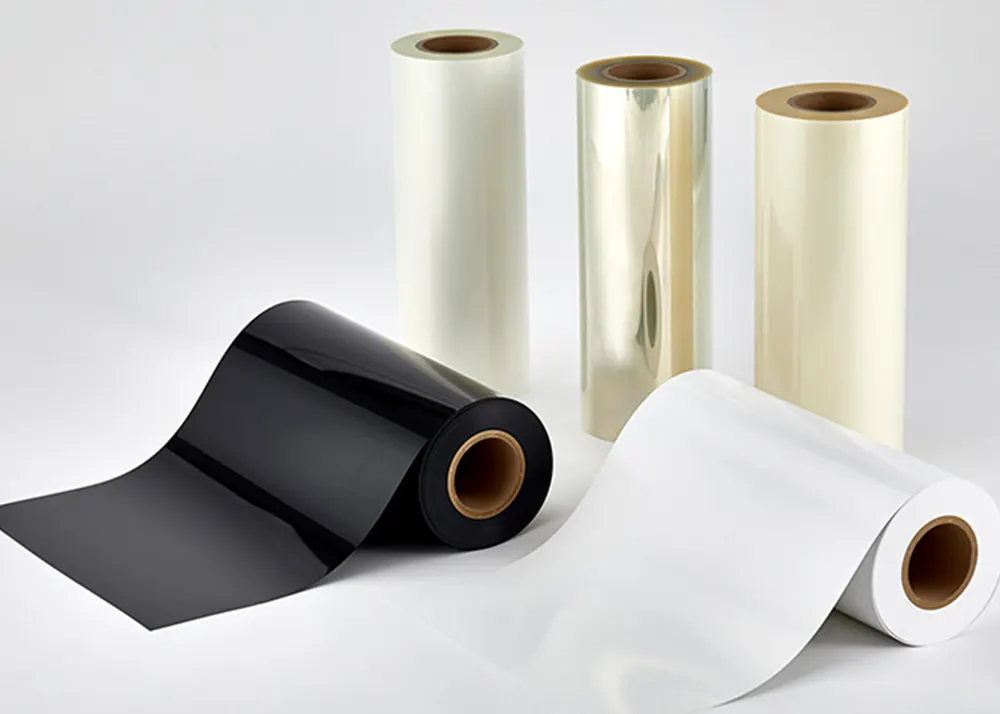
Jincheng includes BOPET Matte Film within its broader polyester film product range, alongside transparent, release, metallized, twist, heat-sealable and other functional BOPET films. This product structure allows different polyester film grades to be selected according to the requirements of packaging, printing and industrial processing.
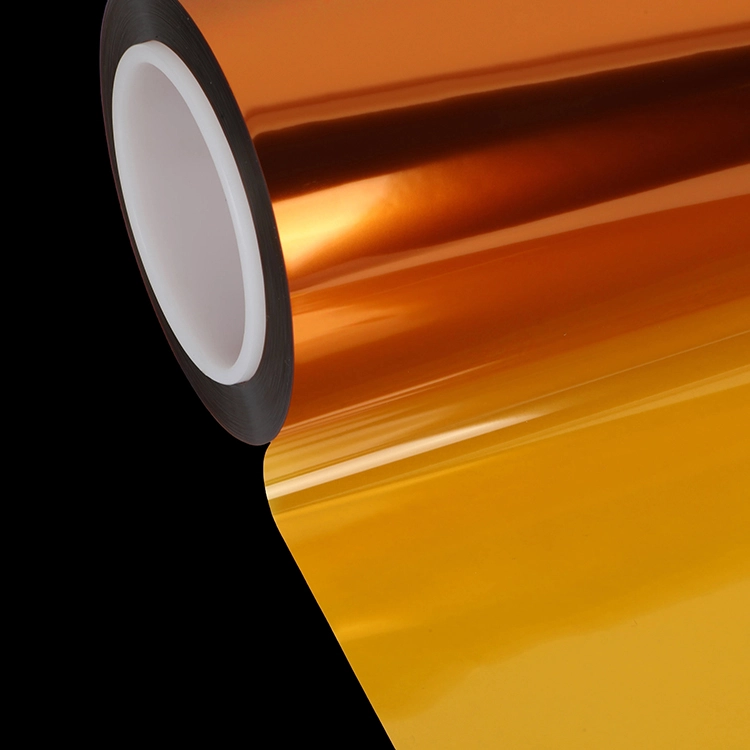
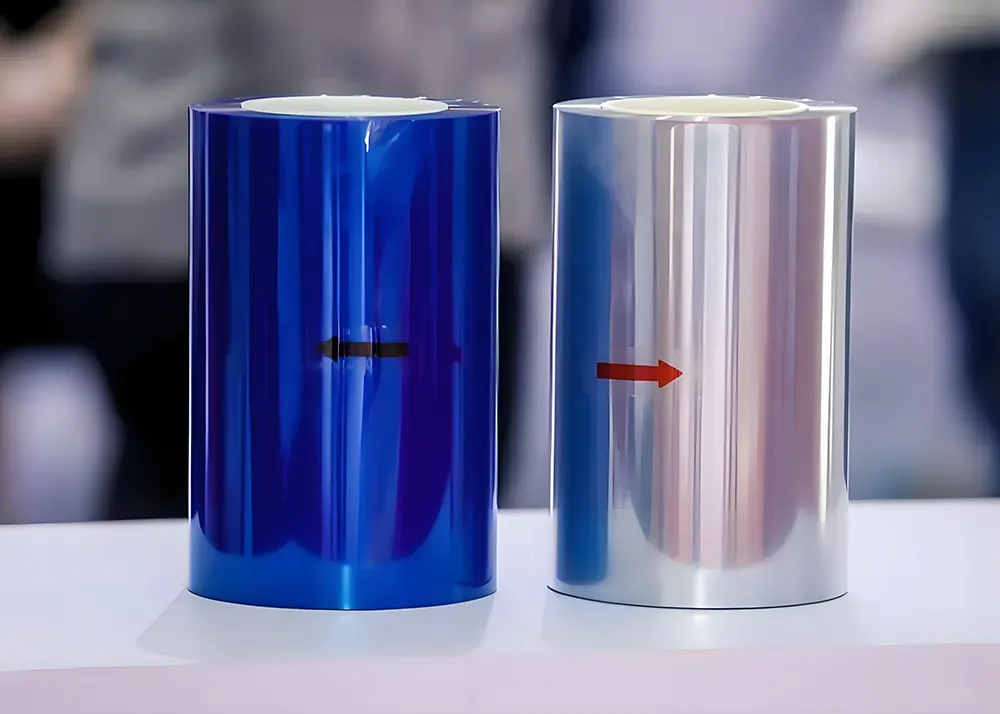
The company's current product range includes different matte film options, including 12 μm film and grades developed for applications such as high-temperature processing and colored matte surfaces. These products reflect the need for polyester films with different combinations of thickness, appearance and functional characteristics rather than a single universal matte grade.
Conclusion
BOPET Matte Film is more than a polyester film with a different appearance. Its matte surface can influence reflection, readability and the visual character of packaging and printed products, while the underlying BOPET structure provides the dimensional and mechanical characteristics required for many converting processes.
For manufacturers and converters, the most suitable film should be selected according to the complete application: thickness, gloss, optical requirements, surface treatment, printing or laminating method and final product structure all need to be considered together.
As demand for differentiated packaging and functional printed materials continues to develop, matte polyester film provides manufacturers with another way to balance surface design and material performance. For specific film requirements, customers can discuss the intended application and processing conditions with Jincheng to determine a suitable BOPET Matte Film specification.
Related News
- Application of polyester film
- How to eliminate static electricity of pet film?
- What is bopet membrane for?
- Why Is BOPET Metallized Film For PET Food Packaging Becoming a Smarter Choice for Modern Food Protection
- How Does BOPET Milk White Film Improve Packaging, Printing, and Industrial Applications?
- How Does BOPET Release Film Improve Release Performance in Industrial Applications?
Leave me a message