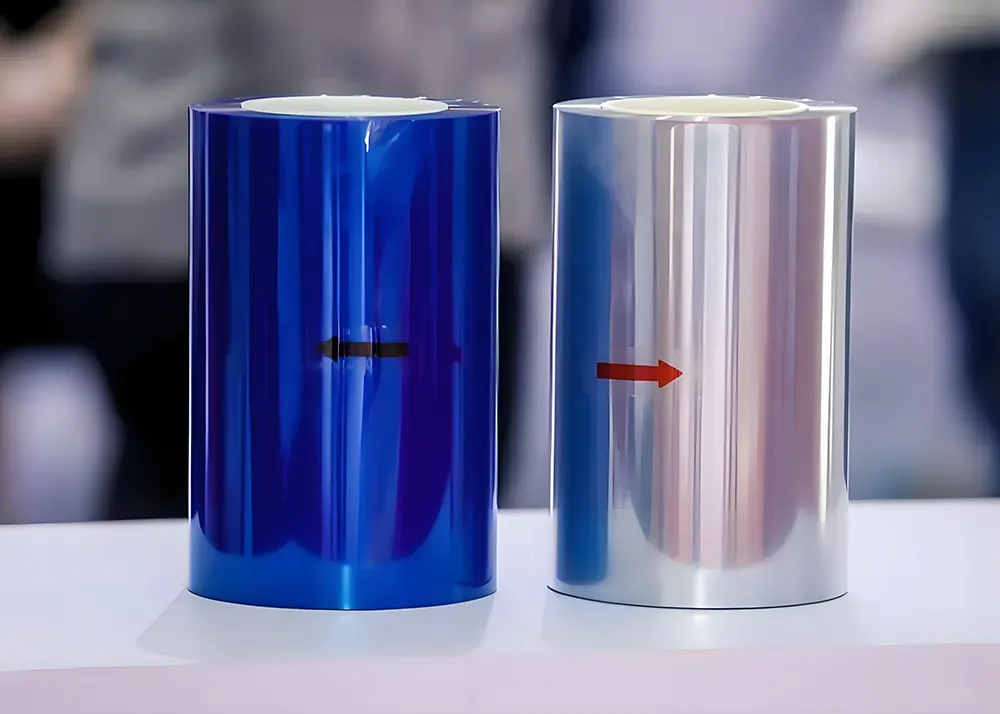
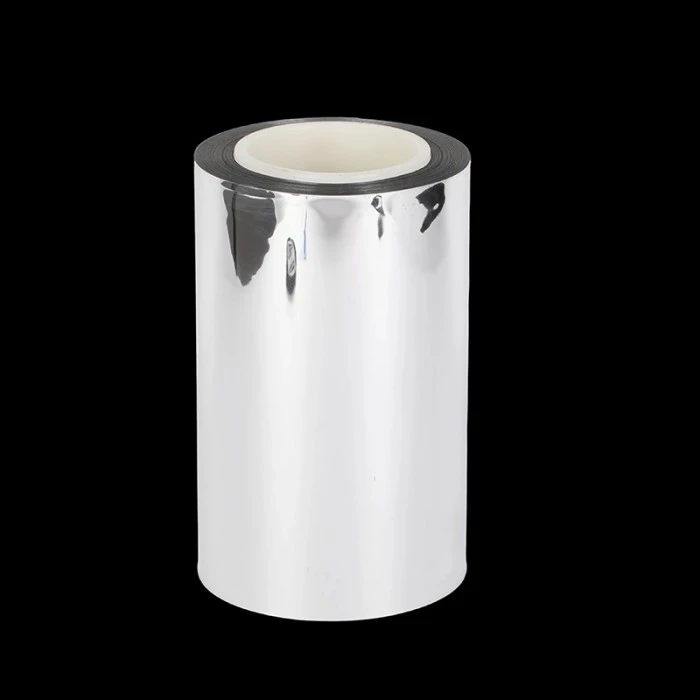
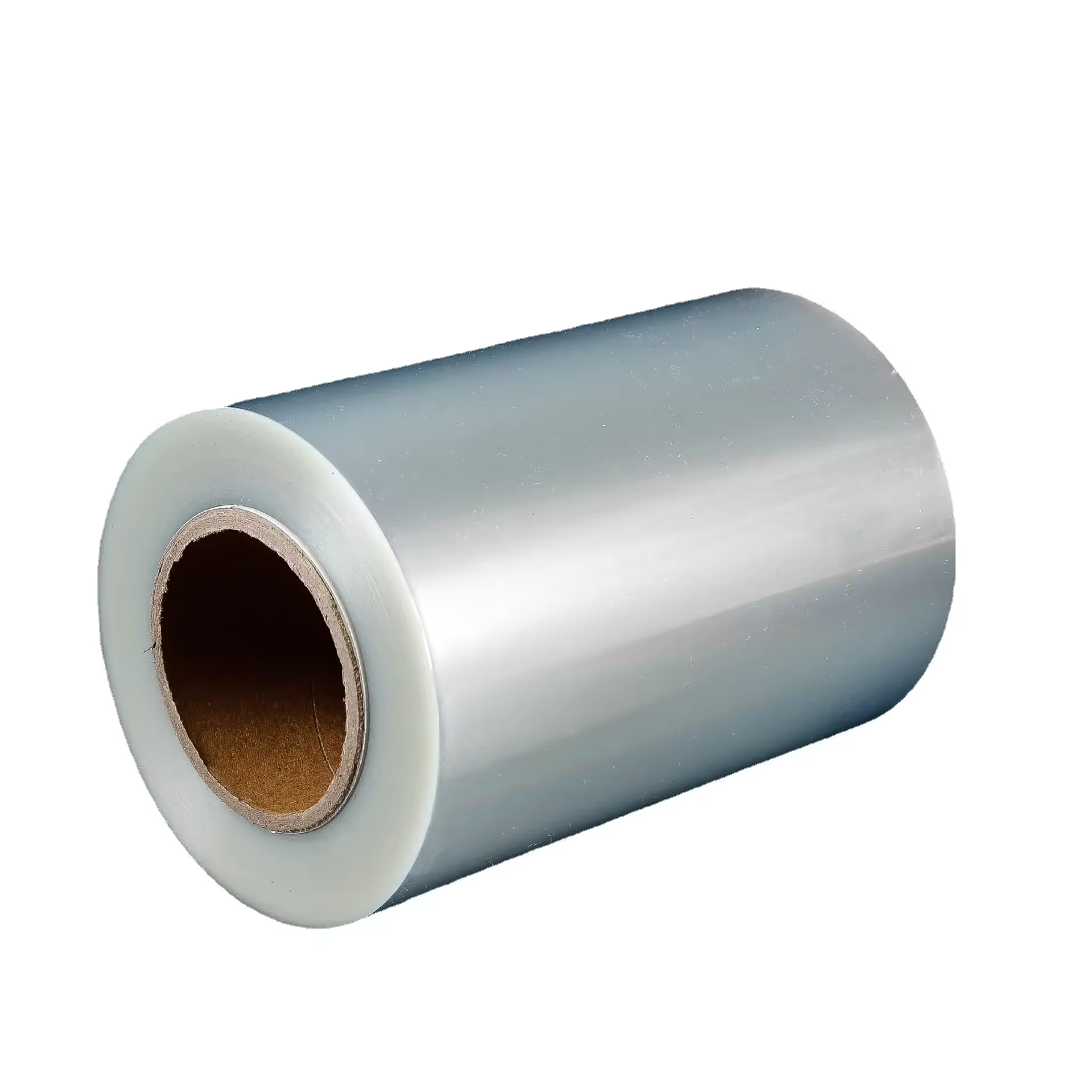
How Can Color Printing BOPET Red Film Improve Print Quality, Packaging Appeal, and Product Identification
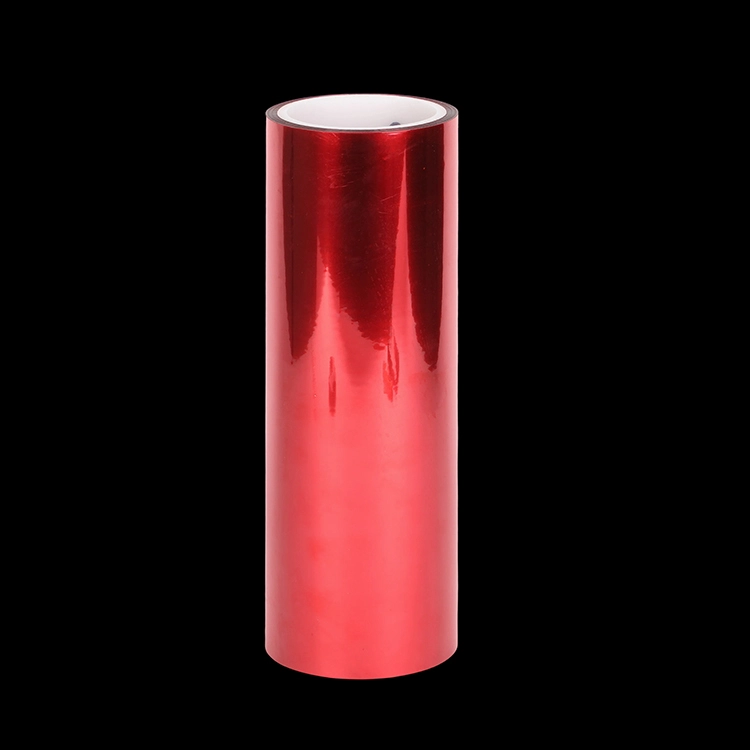
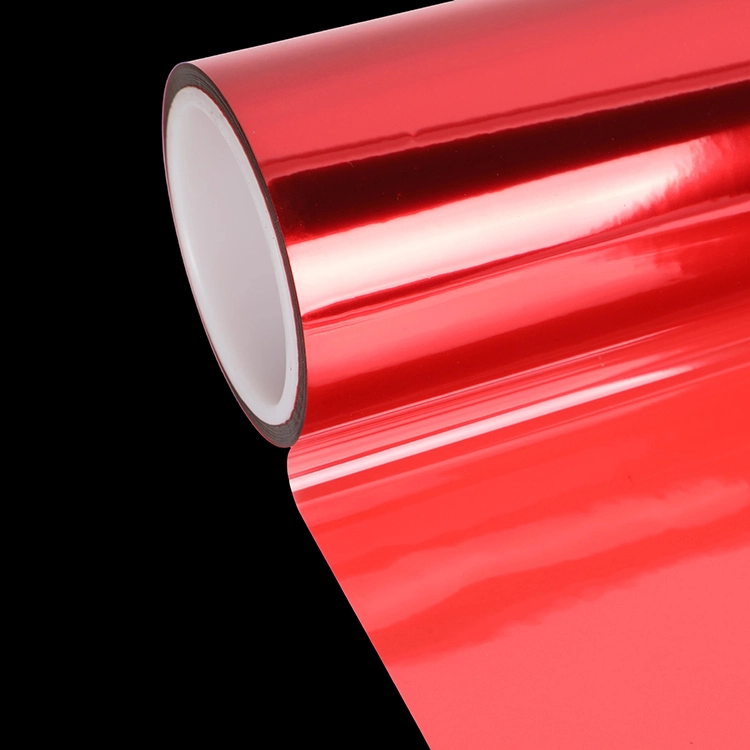
For businesses seeking reliable color consistency and durable printing substrates, Jincheng offers solutions designed around the practical requirements of modern printing and packaging. Color Printing BOPET Red Film combines the functional properties of biaxially oriented polyethylene terephthalate (BOPET) with a distinctive red base, making it a potential choice for brand packaging, printed labels, decorative materials, and industrial identification applications.
Color printing requires more than an attractive design. The substrate must provide a suitable surface for ink adhesion, maintain dimensional stability during processing, and deliver a consistent appearance across finished products. Color Printing BOPET Red Film is a colored polyester film developed for applications where visual impact and material performance are equally important. Its red appearance supports strong visual identification, while the BOPET base offers useful mechanical properties for converting and printing operations. This guide explores its characteristics, potential applications, selection criteria, and processing considerations to help packaging manufacturers, printers, and industrial buyers make informed material decisions.
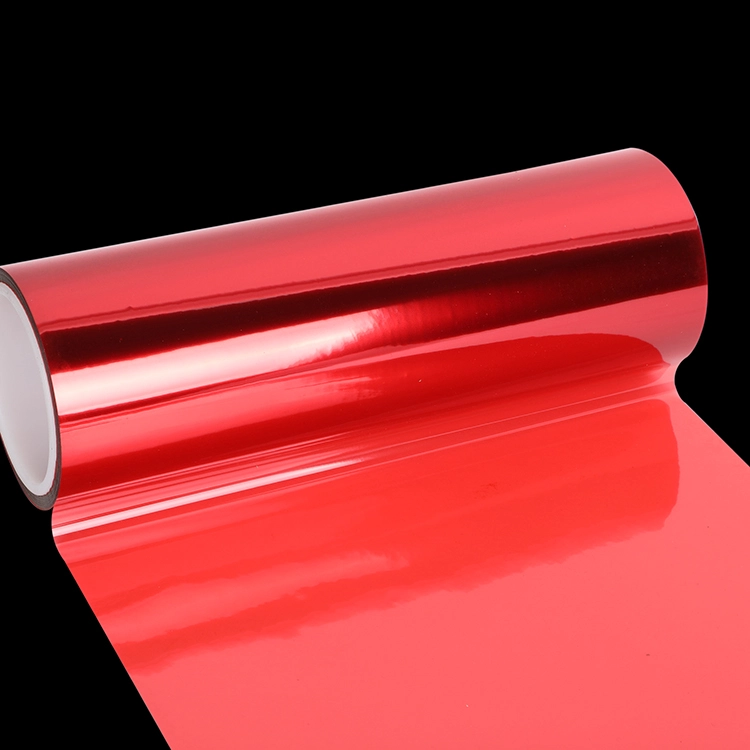
Table of Contents
1. What Is Color Printing BOPET Red Film?
2. Key Properties and Performance Advantages
3. Where Is Red BOPET Film Used?
4. Technical Specifications and Selection Guide
5. How to Achieve Better Printing Results
6. Red BOPET Film Compared with Other Printing Substrates
7. Quality Control and Purchasing Considerations
1. What Is Color Printing BOPET Red Film?
BOPET stands for biaxially oriented polyethylene terephthalate, a polyester film produced by stretching the material in two directions to develop its physical properties. The resulting film is widely used in packaging, printing, electrical applications, and industrial manufacturing because it can offer a useful combination of strength, dimensional stability, and surface quality.
Color Printing BOPET Red Film is designed for printing and decorative applications that require a red-colored polyester substrate. Instead of relying entirely on a printed red layer to create the background appearance, a colored film provides a red base before the additional printing process begins. This can help simplify certain design requirements and create a distinctive visual identity.
Jincheng's published BOPET red film information identifies original color masterbatch processing and applications in color printing, packaging, labels, and industrial products. The company also lists R11 and R21 product types within its red film range. Buyers should confirm the exact grade and its suitability for their intended printing process before placing an order.
For printers and packaging converters, the primary objective is to match the substrate to the required appearance, ink system, lamination method, and end-use environment. A suitable red polyester film can serve as the foundation for a broad range of printed products, provided the material's surface properties and processing conditions are compatible with the production line.
2. Key Properties and Performance Advantages
Consistent Red Appearance
Color is often central to brand recognition, warning labels, product differentiation, and promotional packaging. A red-colored substrate provides a recognizable background that can support bold visual designs and reduce the need to create the entire base color through printing alone. Color consistency should nevertheless be verified against approved samples, particularly when products are manufactured across multiple batches.
Mechanical Strength and Dimensional Stability
BOPET film is valued for its tensile strength and dimensional stability. These characteristics can be beneficial during web handling, printing, slitting, and converting, where uncontrolled stretching or material distortion may affect registration and finished-product quality. Actual performance depends on film thickness, grade, equipment settings, and operating conditions.
Potential for Further Processing
Colored polyester films may be used in processes involving printing, coating, lamination, and other surface treatments. However, compatibility is not automatic. Ink chemistry, surface energy, treatment level, adhesive selection, and curing conditions all influence the result. Testing the proposed film with the actual production materials is therefore an important step before full-scale manufacturing.
Support for Visual Identification
Red is commonly associated with alerts, emphasis, and strong visual contrast. Depending on the design and applicable industry requirements, red film may support product labels, equipment identification, packaging accents, and decorative components. Where the film is used for safety-related identification, the complete label or marking system must meet the relevant visibility, durability, and regulatory requirements.
- Visual appeal: Provides a distinctive red base for printed designs.
- Substrate performance: Offers the mechanical characteristics associated with polyester film.
- Processing flexibility: May support compatible printing and downstream converting methods.
- Application versatility: Can serve packaging, labeling, decorative, and industrial identification needs.
3. Where Is Red BOPET Film Used?
Brand Packaging and Promotional Materials
Packaging designers often use red to communicate energy, celebration, urgency, or premium visual impact. Red polyester film can provide a colored base for selected packaging components, promotional graphics, and decorative laminates. Its suitability for direct food contact or a specific packaging structure must be independently confirmed; a colored film should not automatically be treated as food-contact compliant.
Printed Labels and Identification Materials
Industrial labels and product identification materials may need to remain recognizable throughout handling and use. A red substrate can make selected information more prominent when combined with appropriate typography, symbols, and contrasting print colors. The final construction should be tested for abrasion, moisture, chemicals, and expected service conditions.
Decorative Printing and Binding
Printed covers, specialty graphics, decorative inserts, and other visual products can benefit from a colored polyester base. Designers can combine the red background with contrasting text, logos, or graphic elements to achieve a recognizable finish. Before selecting the material, confirm whether the project requires a transparent, translucent, or opaque appearance.
Industrial and Electrical Identification
Red polyester film may also be considered for industrial identification, component marking, and selected electrical applications. The required insulation, flame resistance, thermal performance, and electrical properties depend on the specific end use. Buyers should obtain the relevant technical documentation rather than assuming that every red BOPET grade meets the same engineering requirements.
Explore the manufacturer's broader BOPET film product range to compare available film categories and identify a material that better matches the intended application.
4. Technical Specifications and Selection Guide
Choosing a printing substrate requires a review of both nominal specifications and actual production requirements. The following table summarizes published information for Jincheng's BOPET red film range and highlights the additional details buyers should confirm for a color-printing project.
| Parameter | Published Information or Selection Guidance | Why It Matters |
|---|---|---|
| Material | Biaxially oriented polyester (BOPET) | Defines the basic film substrate and its general mechanical characteristics. |
| Color | Red | Supports visual identity, decorative design, and selected identification applications. |
| Listed thickness range | 25, 36, 45, 50, 75, and 100 μm | Influences handling, stiffness, converting behavior, and finished-product requirements. |
| Product types | R11 and R21 are listed in the red film range | Confirm the appropriate grade and its specific performance characteristics with the supplier. |
| Corona treatment | Published general red-film data: treated side 52–54 dynes; non-corona side 42–46 dynes | Surface energy affects wetting and adhesion; confirm the exact grade and test conditions. |
| Coloring process | Original color masterbatch | Helps establish the color within the film substrate rather than relying solely on a later surface-coloring step. |
| Printing compatibility | Must be verified for the intended ink and printing system | Reduces the risk of poor adhesion, smearing, or unsatisfactory print appearance. |
| Roll format and packing | Confirm roll width, diameter, core size, winding, and export packing requirements | Ensures compatibility with the customer's equipment, storage, and transport arrangements. |
Note: The thickness and corona-treatment figures above are published for Jincheng's general BOPET red film range, not a guarantee that every specification applies to every color-printing grade. Request the current technical data sheet for the exact product before making purchasing decisions.
How Should Buyers Choose the Right Thickness?
- 25–36 μm: Consider when a thinner, flexible substrate is needed and the application can accommodate its handling characteristics.
- 45–50 μm: Evaluate for general converting or printing projects that require a balance of flexibility and material body.
- 75–100 μm: Consider when greater film thickness or stiffness is desirable, subject to the design and processing requirements.
These are preliminary selection considerations, not universal application rules. The optimal thickness depends on the equipment, final structure, mechanical requirements, and cost target. Confirm availability and grade-specific recommendations with the supplier.
5. How to Achieve Better Printing Results
Even a suitable film can produce inconsistent results if the printing process is not correctly configured. A structured trial helps identify compatibility issues before a large production run begins.
- Confirm the printing method. Identify whether the job uses flexographic, gravure, screen, digital, or another printing process. Do not assume that one film grade is suitable for every method.
- Check surface energy. Confirm the treatment level of the exact film roll and test whether the selected ink wets the surface evenly.
- Match the ink system. Verify adhesion, drying or curing behavior, color appearance, and compatibility with any subsequent coating or adhesive.
- Optimize tension and registration. Stable web tension and suitable equipment settings help reduce wrinkles, distortion, and misregistration.
- Evaluate the final construction. If the film will be laminated, coated, or die-cut, test the complete material combination rather than evaluating the printed surface alone.
- Document the approved sample. Record the film grade, thickness, treatment condition, ink system, and acceptable color range to improve repeatability across production batches.
For projects requiring strict color matching, evaluate the film under controlled lighting and agree on an approved reference sample. Printed colors may look different depending on the red background, ink opacity, lighting conditions, and the use of additional coatings or laminates.
6. Red BOPET Film Compared with Other Printing Substrates
Material selection should be based on the finished product rather than color alone. BOPET, BOPP, and paper each have different characteristics, and none is automatically the best choice for every printing project.
| Comparison Factor | Color Printing BOPET Red Film | BOPP Film | Paper Substrate |
|---|---|---|---|
| Base appearance | Red-colored polyester base | Available in clear and colored versions | Usually paper-colored or pre-colored |
| Mechanical behavior | Generally strong and dimensionally stable | Lightweight, with properties dependent on grade and orientation | Depends on paper grade, coating, and humidity |
| Moisture response | Generally less moisture-sensitive than paper | Generally low moisture absorption | Can be affected by moisture and environmental conditions |
| Printing requirements | Requires compatible inks and surface conditions | Requires suitable ink, treatment, and process settings | Depends on surface finish, absorbency, and ink system |
| Potential applications | Colored labels, decorative printing, packaging components, and identification | Flexible packaging, labels, and wrapping | Cartons, printed covers, inserts, and paper-based packaging |
When comparing quotations, consider the entire production cost: material usage, printing setup, ink consumption, waste, converting efficiency, and finished-product performance. A lower price per kilogram or roll does not necessarily translate into a lower cost per accepted finished unit.
7. Quality Control and Purchasing Considerations
For commercial buyers, the value of a printing film lies in its ability to perform consistently within a defined production process. A clear purchasing specification helps both the buyer and supplier align expectations before manufacturing begins.
Recommended Checks Before Ordering
- Appearance: Inspect color uniformity, surface cleanliness, visible defects, and roll-edge condition.
- Thickness tolerance: Request the applicable tolerance and measurement method for the selected grade.
- Surface treatment: Confirm which side is treated and the expected surface-energy range at delivery.
- Printing trial: Test ink adhesion, drying or curing, color consistency, and resistance to the stresses expected in use.
- Downstream compatibility: Evaluate lamination, coating, slitting, and die-cutting requirements where relevant.
- Packaging and logistics: Specify roll dimensions, core size, protective wrapping, pallet orientation, and shipping conditions.
- Documentation: Request the current technical data sheet, applicable inspection records, and any compliance documents required for the target market.
Buyers sourcing from a China BOPET film manufacturer should also discuss order quantity, sampling arrangements, lead time, customization options, and batch-to-batch color control. These details are particularly important when a film will be used in a long-running packaging program or a product line with strict brand-color requirements.
For additional background on the company and its manufacturing scope, visit the Jincheng company profile. Product specifications and commercial terms should be confirmed directly for each order.
8. Frequently Asked Questions
1. What is Color Printing BOPET Red Film?
It is a red-colored biaxially oriented polyester film intended for printing, packaging, decorative, labeling, and selected industrial applications. The colored substrate provides a red base, while the film's mechanical properties support suitable converting processes.
2. What thicknesses are available for Jincheng BOPET red film?
Jincheng's published general red-film range lists thicknesses of 25, 36, 45, 50, 75, and 100 μm. Confirm the available thicknesses and tolerances for the specific color-printing grade before ordering.
3. Can red BOPET film be used with different printing methods?
Potential compatibility depends on the exact film grade, surface treatment, ink chemistry, and equipment. Buyers should test the intended printing method and confirm ink adhesion, drying or curing, and finished-product performance before production.
4. Does the red color come from a surface coating?
Jincheng identifies original color masterbatch as the coloring process for its general BOPET red film range. Confirm the manufacturing details of the specific grade if the distinction between bulk-colored material and surface-coated film is important to your project.
5. How can buyers improve color consistency between batches?
Establish an approved reference sample, define acceptable color variation, specify the product grade, and request batch-level inspection information where available. Evaluate the finished print under consistent lighting because ink opacity and surface finishing can influence the perceived color.
6. Is Color Printing BOPET Red Film suitable for food packaging?
It may be considered for selected packaging structures, but suitability for food contact cannot be assumed from the film type or color alone. Buyers must verify the relevant regulatory documentation, intended use conditions, ink and adhesive compliance, and the performance of the complete packaging structure.
7. What information should I provide when requesting a quotation?
Provide the intended application, required thickness, roll width, estimated order quantity, printing method, ink system, surface-treatment requirements, target color, and any lamination or compliance requirements. These details help the supplier assess the appropriate grade and prepare a more relevant quotation.
9. Conclusion
Color Printing BOPET Red Film can be a practical substrate for projects that require a distinctive red appearance alongside the mechanical characteristics of polyester film. Its potential applications include brand packaging, decorative printing, labels, and selected industrial identification products. Successful implementation depends on choosing the right thickness and grade, confirming surface-treatment requirements, and validating printing and downstream processing compatibility through appropriate trials.
Jincheng aims to help buyers identify film solutions that align with their production requirements. To discuss specifications, request technical information, or evaluate material options for your next project, contact us and share your application details. A clear specification and a properly validated sample are the first steps toward consistent print quality and dependable production performance.
Related News
- Application of polyester film
- How to eliminate static electricity of pet film?
- What is bopet membrane for?
- How Matte Surface Performance Supports Modern Packaging and Printing
- Why Is BOPET Metallized Film For PET Food Packaging Becoming a Smarter Choice for Modern Food Protection
- How Does BOPET Milk White Film Improve Packaging, Printing, and Industrial Applications?
Leave me a message