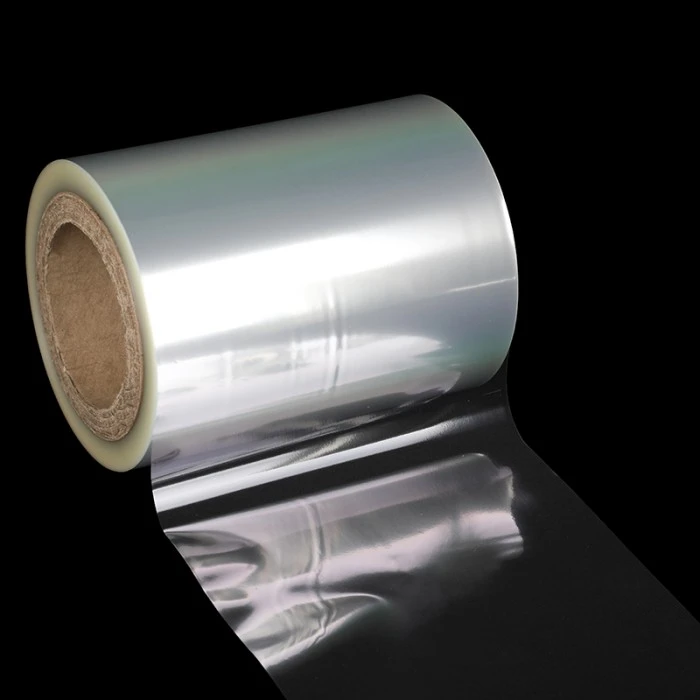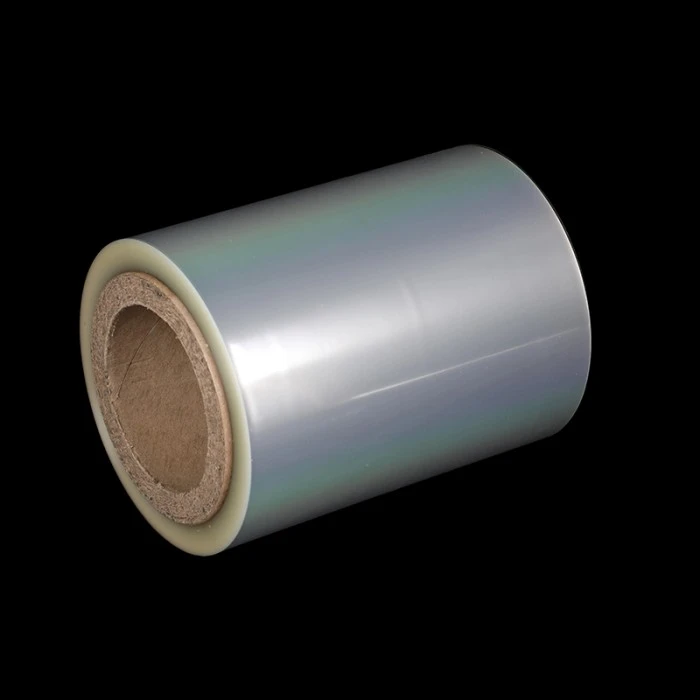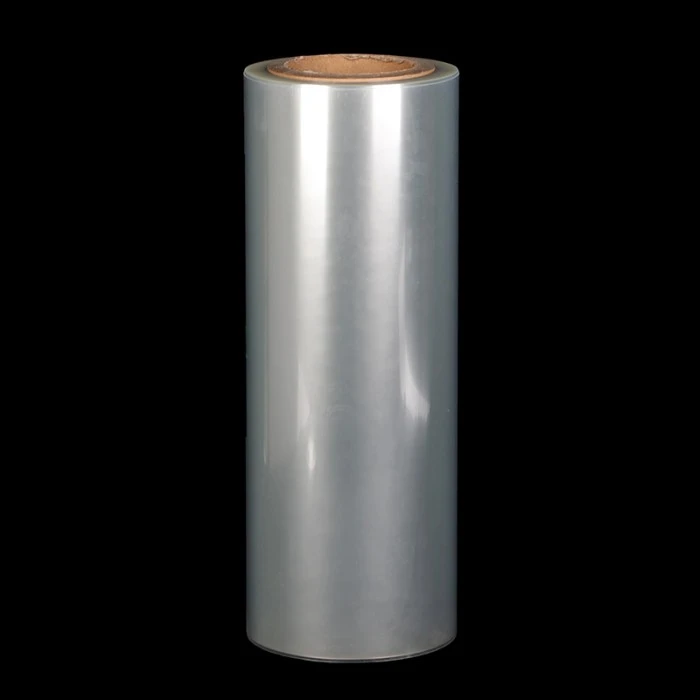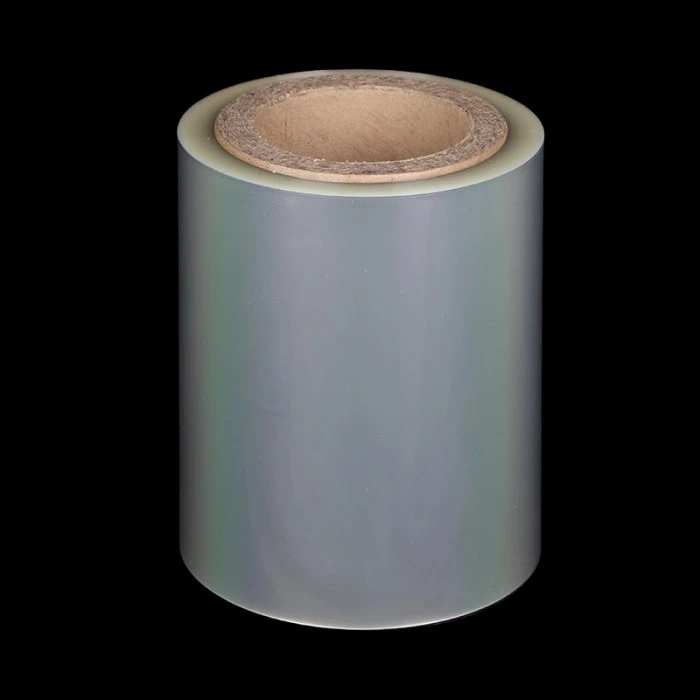
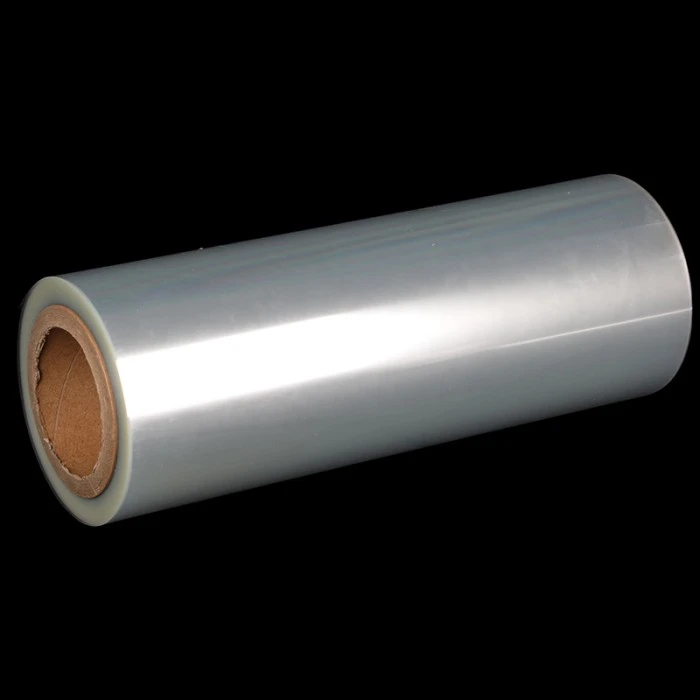
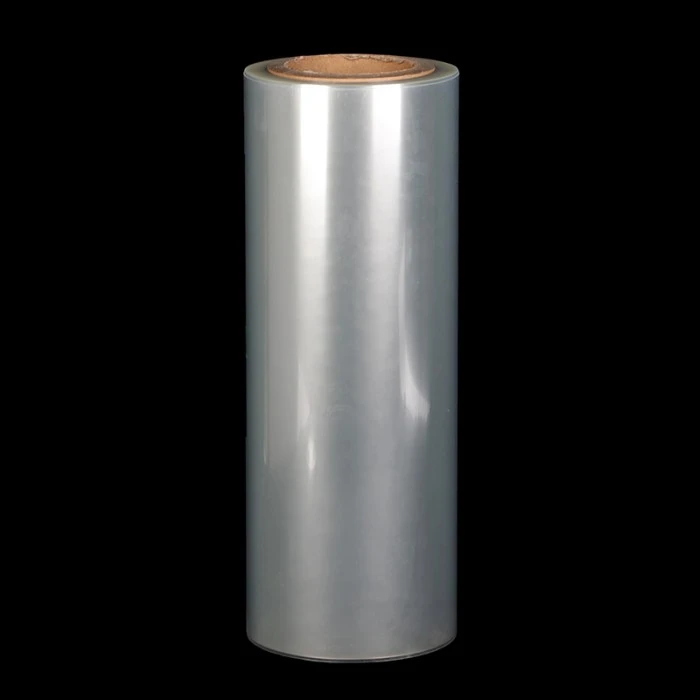
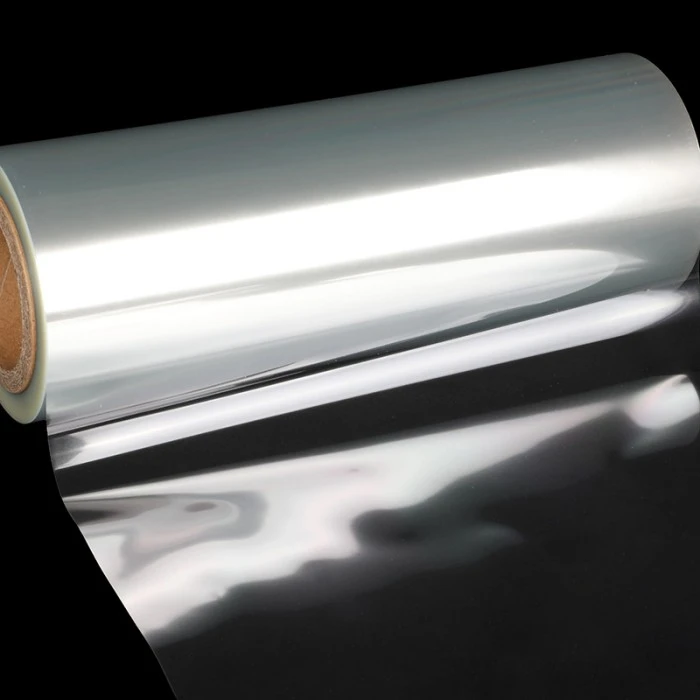
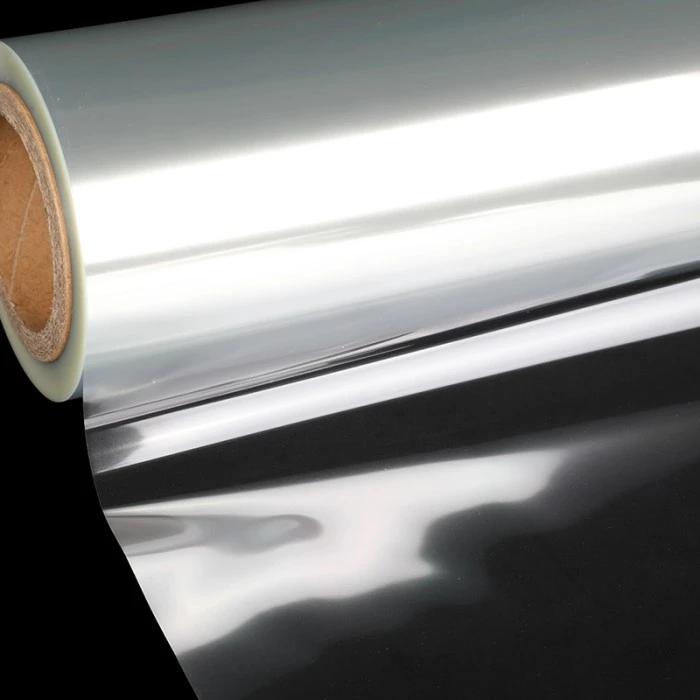
BOPET Transparent Film For Flexible Packaging
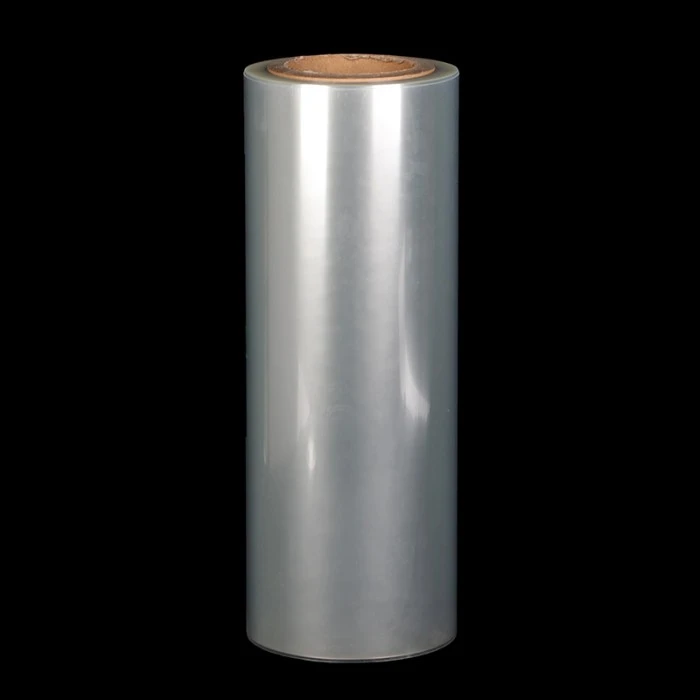
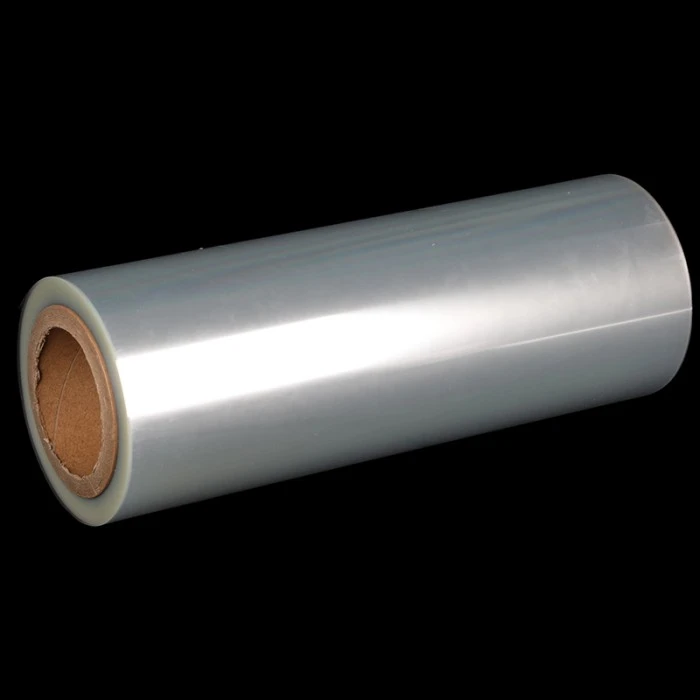
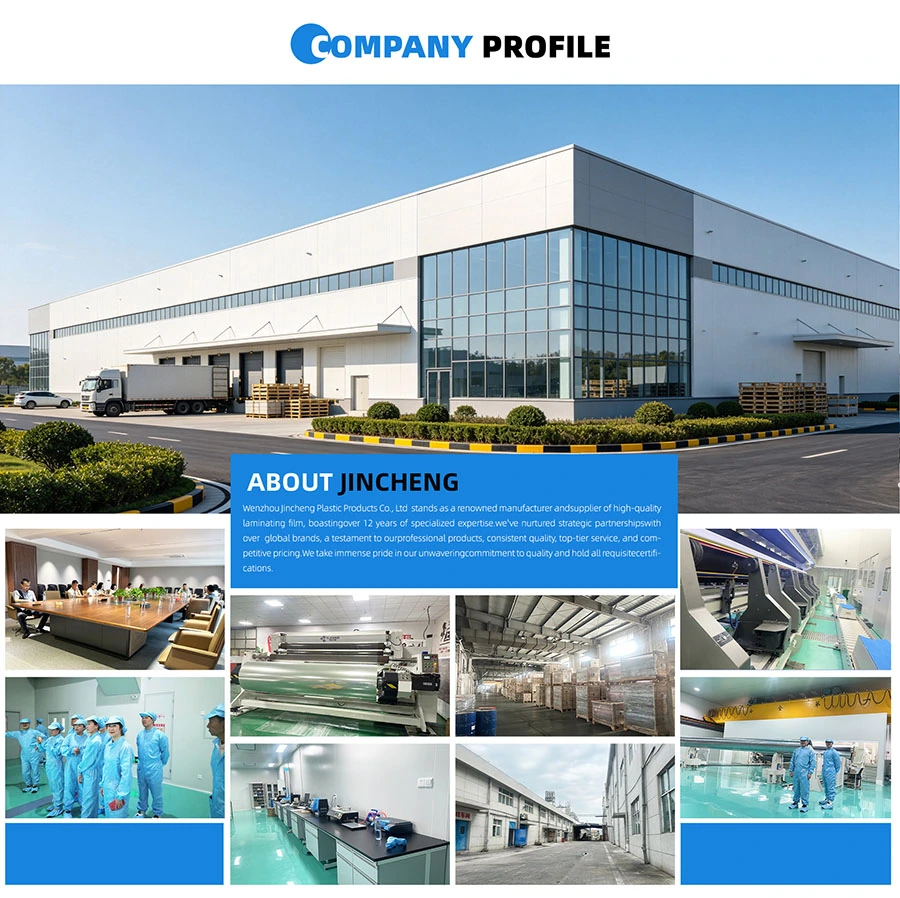
Jincheng is a professional manufacturer and supplier of BOPET Transparent Film for Flexible Packaging. This product is a biaxially stretched polyester base film specially developed for the advanced processing scenarios of flexible packaging. It reshapes the molecular arrangement structure through high-precision synchronous biaxial stretching technology, addressing the industry pain points such as the easy deformation, poor adhesion, weak heat resistance, and uneven light transmission of traditional flexible packaging films.
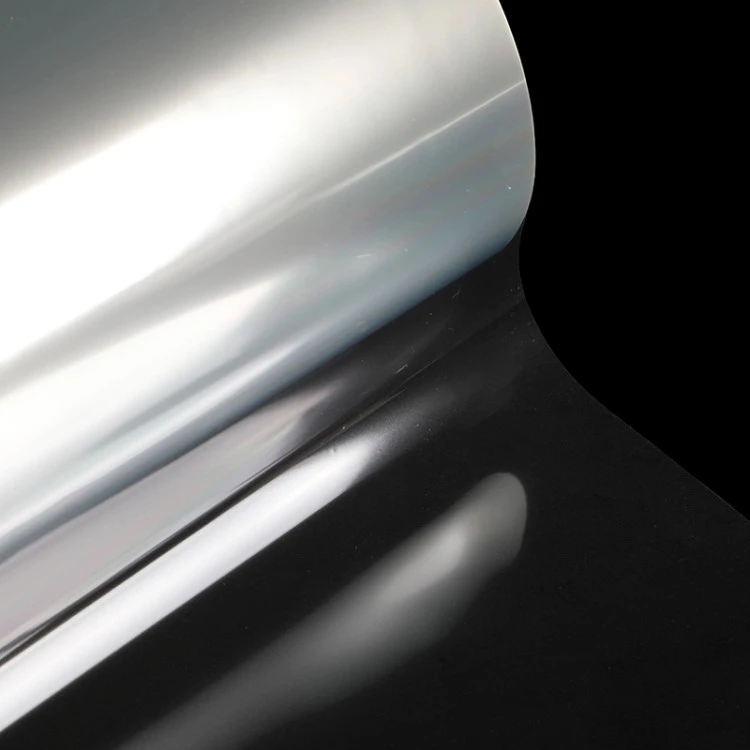
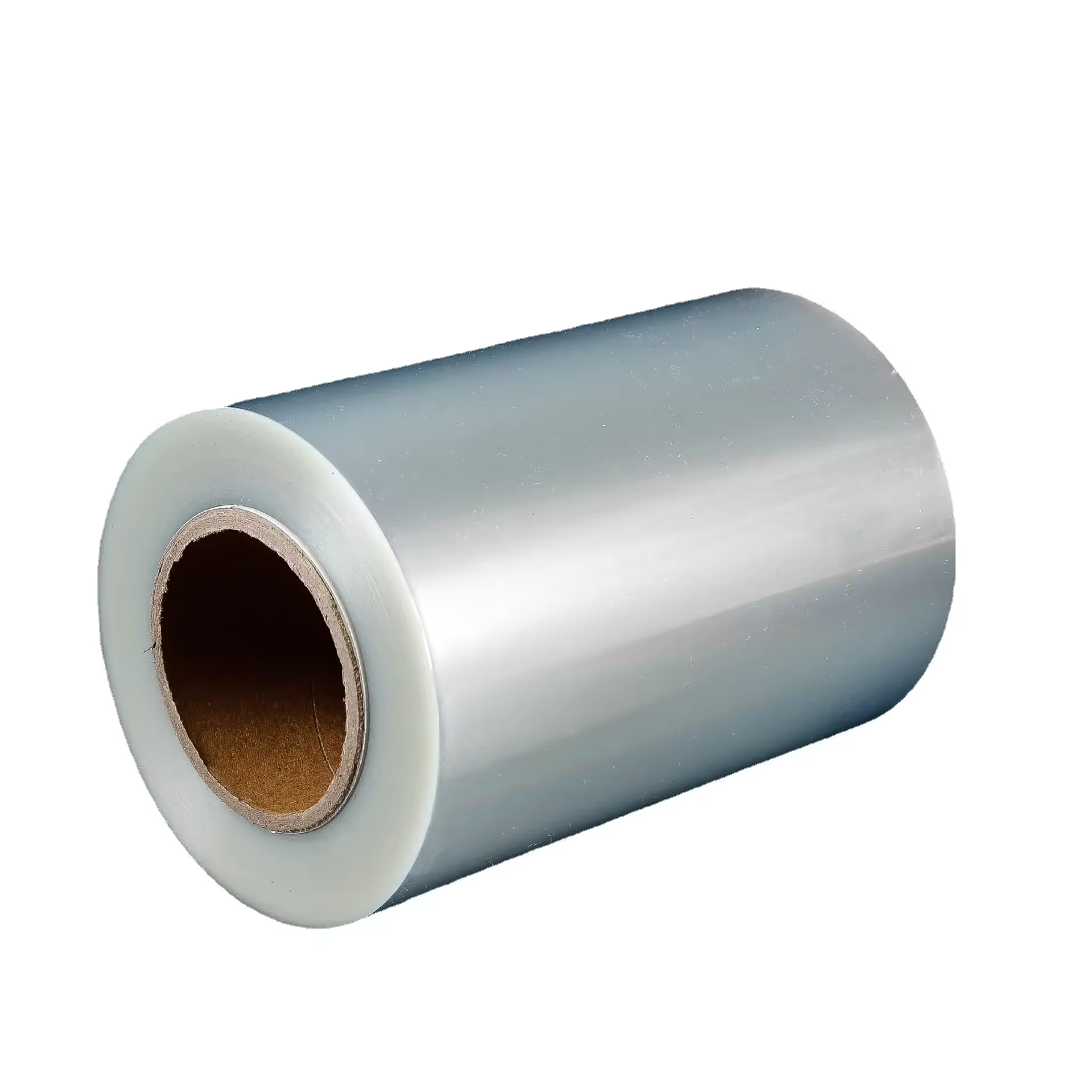
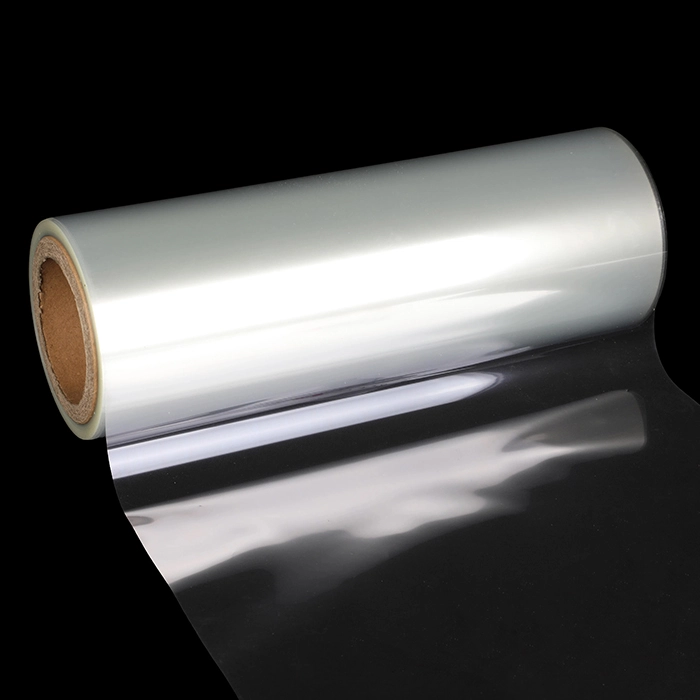
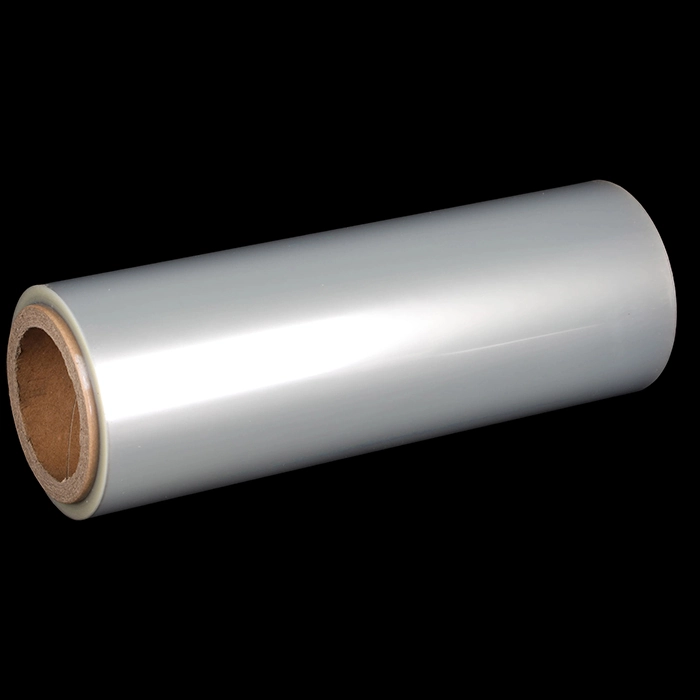
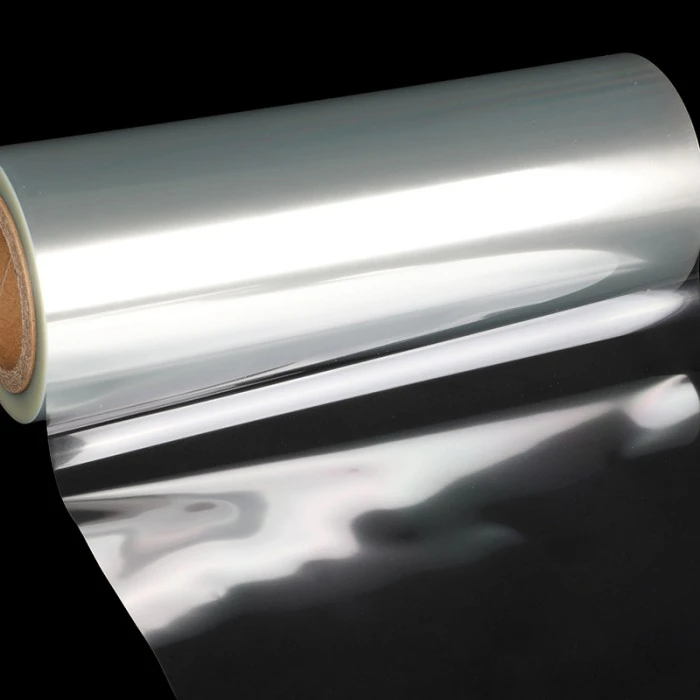
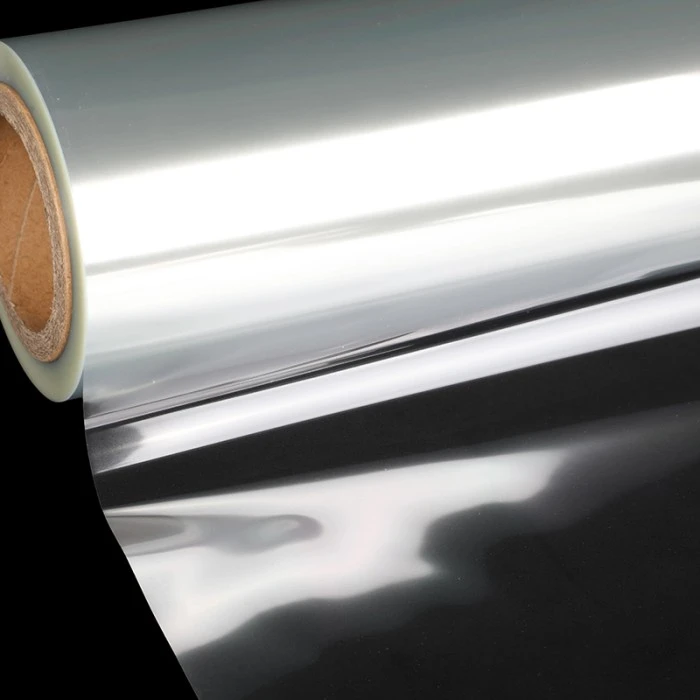
The BOPET Transparent Film for Flexible Packaging directly sold by Jincheng Factory is a fully transparent, high-purity, and free-of-impurity version. It has no haze, no crystal points, and no stretching lines. It is the core basic material for flexible packaging printing, dry composite, aluminum plating processing, and hot stamping and coating.
This product is equipped with industry-standardized double-sided differential corona treatment technology, achieving dual-function partitioning on both sides: the processing surface has a stable resistance of 52-54 dynes, suitable for ink printing, glue bonding, and vacuum aluminum plating; the non-processing surface has a resistance of 42-46 dynes, featuring anti-slip and anti-adhesion properties, suitable for high-speed winding and automated bag-making equipment.
BOPET Transparent Film for Flexible Packaging offers a full range of thickness specifications from 12μm to 250μm. The lightweight version is suitable for lightweight food packaging, while the thickened version is suitable for heavy-duty industrial packaging. Overall, it features high strength, puncture resistance, low heat shrinkage, high dimensional stability, and can withstand temperatures up to 150-160℃.
It is widely applicable to scenarios such as food soft packaging, daily chemical composite bags, label soft films, and industrial insulation soft packaging. At the same time, it is equipped with five specialized packaging solutions to meet the mass production requirements of domestic soft packaging factories and the standardized delivery needs for cross-border international trade.
Why is it suitable for the flexible packaging industry?
1. Low heat shrinkability, suitable for the high-temperature composite process in flexible packaging
2. Dual-sided functional zoning, suitable for the entire process of flexible packaging deep processing
3. High mechanical toughness, able to withstand the folding and puncturing of flexible packaging
4. High optical transmittance, improving the appearance level of flexible packaging at the terminal stage
5. High dimensional stability, suitable for batch standard bag production
Manufacturing Process
1. Selection and purification of high-purity raw materials
Select brand-new virgin polyester cuttings without recycled materials or impurities. The raw materials undergo high-temperature drying and dehumidification purification processes to completely remove moisture and dust impurities from the raw materials. This ensures that there are no defects such as crystal points, bubbles, or pinholes on the film surface, thereby guaranteeing the purity and stability of the soft packaging substrate.
2. High-temperature melting extrusion and die head molding
The raw materials are melted at a constant temperature and then extruded evenly through a high-precision flat die head. The stable pressure and flow control technology ensures that the thickness error of the entire sheet is controllable, laying the foundation for the subsequent bidirectional stretching and uniform thickness of the finished product, meeting the high-precision processing requirements of soft packaging.
3. Bidirectional synchronous stretching in both longitudinal and transverse directions
The segmented precise temperature-controlled bidirectional stretching process is adopted. First, longitudinal directional stretching is performed, followed by transverse uniform expansion. This reshapes the polyester molecular network structure, significantly enhancing the mechanical strength, toughness, and thermal stability of the film, giving the product core properties such as puncture resistance and low shrinkage.
4. Dual-sided differentiated corona treatment
According to the deep processing requirements of soft packaging, customized dual-sided corona enabling treatment is carried out. One side is strengthened and stabilized to 52-54 dynes, meeting the requirements for printing and composite adhesion; the other side is lightly treated to maintain a 42-46 dynes anti-slip and anti-adhesion effect. The entire process is precisely controlled by computer, with stable parameters without fluctuations.
5. Precise quality inspection and defect screening
The fully automatic online visual inspection system scans the entire film surface to detect scratches, crystal points, uneven thickness, etc. At the same time, batch sampling is conducted for thermal shrinkage rate, dynes value, tensile strength, and temperature resistance to ensure that each roll of film meets the production standards of the soft packaging industry.
6. Precise cutting and standardized packaging
According to the specifications of the customer's soft packaging equipment, the roll width and diameter are precisely cut. Finally, five packaging schemes are matched as needed: simple packaging, horizontal tray, vertical tray, suspended tray, and export-specific moisture-proof tray, adapting to different transportation and storage scenarios, ensuring the intact delivery of the film surface.
FAQ
Q1: Which flexible packaging products is this BOPET Transparent Film For Flexible Packaging suitable for?
This product is compatible with the majority of flexible packaging scenarios, including food composite soft bags, snack packaging bags, daily care and cleaning composite bags, vacuum packaging films, soft labels, and heat-embossed soft packaging substrates; different thicknesses can precisely match the requirements of lightweight packaging, heavy-load packaging, and high-temperature composite packaging, etc.
Q2: The double-sided dielectric constant values are different. How to distinguish the processing surface during soft packaging processing?
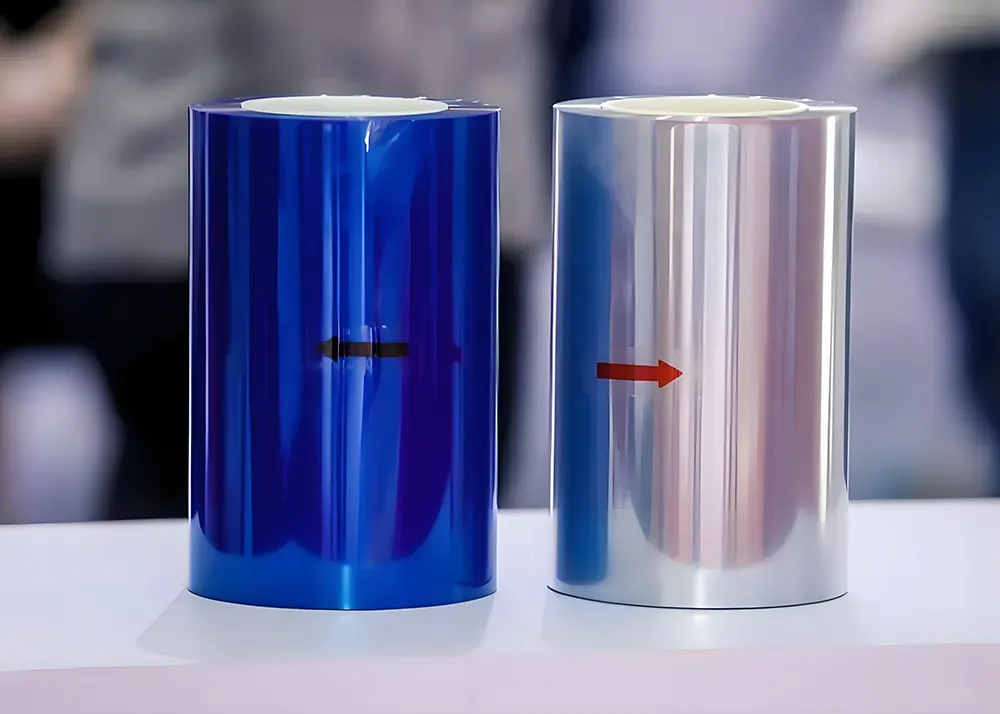
Uniformly, the 52-54 dielectric constant side is regarded as the processing surface, used for printing, gluing, compounding, and aluminum plating processes, to ensure adhesion; the 42-46 dielectric constant non-electrostatic surface is the outer layer, used for winding, exposed surface of the bag, to prevent adhesion and scratching. Each roll of material has a clear label, and it can be quickly distinguished during operation.
Q3: Can the high-temperature resistance of 160℃ be applied to all soft packaging high-temperature compounding processes?
It can be applied to conventional soft packaging dry compounding, heat sealing, heat stamping, drying and other short-term high-temperature processes, and the whole process is not prone to shrinkage and deformation; if a long-term continuous high-temperature condition is required, the thickness specification recommended by the equipment parameters can be adapted, further improving stability.
Q4: Will the printing adhesion decrease after the film is stored for a period of time?
This product has excellent electrostatic treatment stability. Under normal drying and storage conditions, the dielectric constant value decays very slowly, and it still maintains good printing and compounding adhesion after long-term storage, without batch ink loss or layer separation problems, and is suitable for the regular inventory requirements of soft packaging factories.
Q5: Can the cutting width be customized according to the size of the soft packaging equipment?
Full-size customization of cutting is supported. According to the equipment parameters of the customer's fully automatic bag-making machine, printing machine, and compounding machine, the exclusive roll width, roll length, and roll diameter can be customized, perfectly adapting to various soft packaging automated production lines.
Q6: What packaging method is used for overseas soft packaging orders?
For cross-border ocean orders, the default recommendation is to use special export packaging bags. Combined with moisture-proof films, desiccants, and corner protection reinforcement, it can effectively resist the humid and jolting conditions during ocean transportation, preventing the roll materials from getting damp, rolling out, or having their film surfaces scratched, thus ensuring the quality of overseas delivery.
Hot Tags: BOPET Transparent Film For Flexible Packaging, Flexible Packaging Film, BOPET Packaging Film
Send Inquiry
Contact Info
-
Address
No. 1 Zhenxing South Road, Zhoujiache Village, Longgang City, Wenzhou City, Zhejiang Province, China
-
Tel
-
Email
For inquiries about BOPET Transparent Film, BOPET Matte Film, BOPET Release Film or price list, please leave your email to us and we will be in touch within 24 hours.